
Ultimate Lighting Color Temperature Guide for Perfect Ambiance
Getting your lighting just right for that perfect vibe isn’t about guesswork; it’s mostly about understanding color temperature. Think of it as the secret ingredient for crafting the mood of any space. In short, color temperature, measured in Kelvins (K), tells you how warm or cool a light appears, ranging from a cozy orange glow to a crisp blue-white. Knowing this will empower you to pick the right bulbs and fixtures to truly transform your home or workspace into the kind of environment you envision, whether that’s a calming sanctuary, an energizing studio, or anything in between.
Understanding Color Temperature: What K Means for Your Lights
So, what exactly is color temperature? It’s a way of describing the visual warmth or coolness of a light source, measured on the Kelvin (K) scale. The lower the Kelvin number, the warmer (more orange/yellow) the light appears. As the Kelvin number increases, the light gets cooler, transitioning to a bright white, then a bluish-white, and finally a stark blue. It’s important to remember that “warm” in this context refers to the color appearance, not the actual heat produced by the bulb.
The Kelvin Scale Demystified
The Kelvin scale starts around 1,000K and can go up to 10,000K or even higher, though most residential and commercial lighting falls within the 2,000K to 6,500K range. Imagine heating a piece of metal: as it gets hotter, it first glows red, then orange, yellow, white, and finally blue. The Kelvin scale mimics this phenomenon, with lower numbers representing the “warmer” colors and higher numbers representing the “cooler” colors.
Warm Light (Below 3000K)
This range typically includes light sources from around 2000K to 2700K (sometimes up to 3000K). This is where you find the comforting, inviting glow often associated with incandescent bulbs and candlelight.
- 2000K-2200K (Ultra Warm White): This is a very deep, amber-orange light, reminiscent of firelight or very dim sunset. It’s incredibly intimate and relaxing, often used for decorative purposes, mood lighting in restaurants, or creating a cozy, sleepy atmosphere in bedrooms right before bed. It promotes relaxation and warmth.
- 2400K-2700K (Warm White): This is the classic “warm” light most people associate with a traditional home. It has a soft, yellowish-white hue that’s very inviting and comfortable. It’s excellent for living rooms, bedrooms, dining rooms, and any space where you want to feel relaxed and at ease. It makes colors appear richer and skin tones look flattering.
- 2700K-3000K (Soft White): Still leaning warm, this light is a bit less yellow than 2700K, offering a good balance of warmth and clarity. It’s a popular choice for general ambient lighting in residential spaces, hallways, and some retail environments where a welcoming feel is desired without being overly yellow.
Neutral Light (3000K-4000K)
Often called “neutral white” or “cool white” by some manufacturers, this range provides a more balanced light that’s neither overtly warm nor cool.
- 3000K-3500K (Bright White/Warm Neutral): This light is a clean white with just a hint of warmth. It feels less cozy than 2700K but is still comfortable. It’s a versatile choice for kitchens, bathrooms, home offices, and workspaces where you need good visibility without the starkness of cooler temperatures. It’s also great for areas where tasks are performed but you still want a pleasant atmosphere.
- 3500K-4000K (Neutral White/Cool White): This is a very clean, crisp white light with no noticeable yellow or blue tint. It’s highly functional and provides excellent clarity without being harsh. Ideal for larger kitchens, garages, workshops, commercial offices, retail spaces, and utility areas where accurate color rendition and alertness are important. It helps maintain focus.
Cool Light (Above 4000K)
Lights in this range start to take on a bluish cast, mimicking daylight.
- 4000K-5000K (Cool White/Daylight): This light has a noticeable blue tint, similar to natural daylight on an overcast day. It’s very energizing and helps improve concentration. It’s excellent for task lighting in workshops, garages, commercial kitchens, hospitals, and any area where high visibility, alertness, and attention to detail are paramount. It can feel sterile in a home environment if not used judiciously.
- 5000K-6500K+ (Daylight Blue): This is a very stark, bluish-white light, much like bright midday sun or sky. While it’s fantastic for highly detailed work, photography studios, medical facilities, and places where mimicking natural daylight is crucial, it’s generally too harsh and uninviting for most residential settings. It can disrupt sleep patterns if used in the evening.
Matching Color Temperature to Room Function and Mood
The key to perfect ambiance is aligning the light’s color temperature with the purpose and desired mood of each room. It’s not a one-size-fits-all situation; what works wonders in your bedroom will likely feel jarring in your kitchen, and vice versa.
Living Rooms: Comfort and Connection
Your living room is often the heart of your home, a place for relaxation, entertainment, and gathering with loved ones.
- Ideal Range: 2400K – 2700K (Warm White)
- Why: This range creates a cozy, inviting, and intimate atmosphere. It makes people look good, colors in decor appear richer, and promotes a sense of ease and comfort, perfect for winding down in the evening.
- Tips: Consider dimmable bulbs to adjust the intensity as needed. You might also layer in some slightly cooler (but still warm) task lighting at 3000K for reading nooks, but keep the overall ambient light warm.
Bedrooms: Relaxation and Rest
The bedroom is your personal sanctuary for unwinding and sleep. The lighting here should support relaxation and prepare your body for rest.
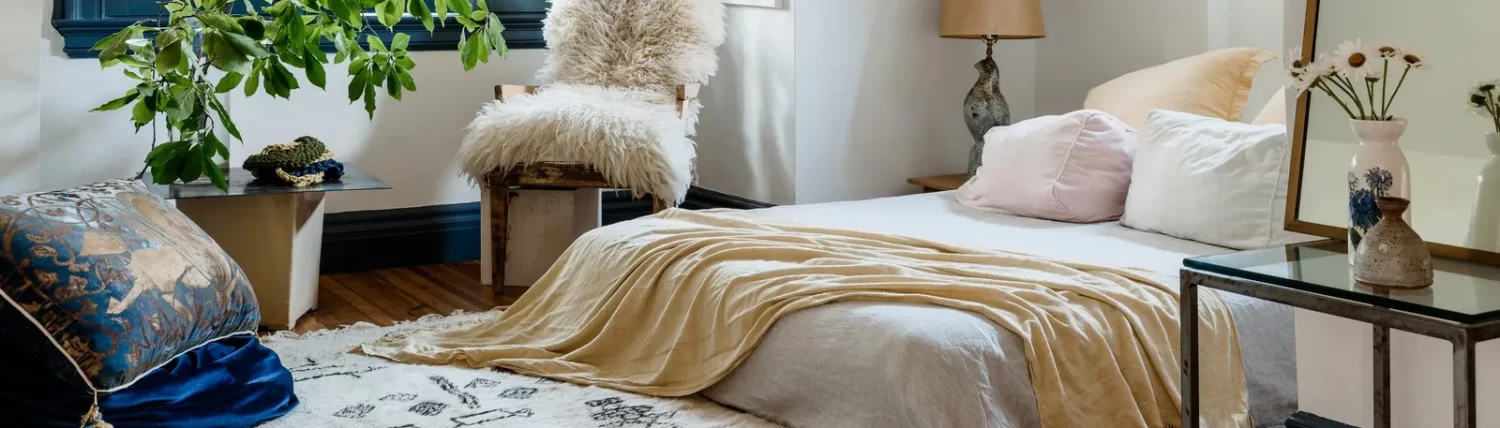
- Ideal Range: 2200K – 2700K (Ultra Warm to Warm White)
- Why: Lower Kelvin temperatures suppress melatonin less, helping your body prepare for sleep. The soft, warm glow is calming and helps create a tranquil environment.
- Tips: Bedside lamps can be especially low, around 2200K, for late-night reading without harshness. Dimmers are almost essential here. Avoid anything above 3000K in the bedroom, especially in the evening.
Dining Rooms: Intimacy and Appetite
Similar to the living room, the dining room benefits from a warm, inviting glow that enhances the dining experience and encourages conversation.
- Ideal Range: 2400K – 2700K (Warm White)
- Why: Warm light makes food look more appealing and creates a flattering light for guests, fostering a comfortable and convivial atmosphere for meals.
- Tips: A dimmer on your dining room chandelier or pendant lights is a must. You want to be able to adjust the light from a brighter setting for cleanup to a very soft glow for intimate dinners.
Kitchens: Function and Clarity
Kitchens are primarily workspaces, demanding good visibility for tasks like cooking and cleaning. However, they also often serve as gathering spots.
- Ideal Range: 3000K – 4000K (Bright White to Neutral White)
- Why: This range provides clear, bright light crucial for accurate food prep and safety, without being overly harsh. It helps with color accuracy when checking doneness.
- Tips: Use 3000K-3500K for overall ambient lighting. For under-cabinet task lighting where precision is paramount, you might go up to 4000K. If your kitchen is open to a living area, try to stay closer to 3000K-3500K to maintain visual harmony.
Bathrooms: Task and Grooming
Bathrooms require good, even lighting for grooming tasks, but can also benefit from a softer option for relaxation.
- Ideal Range: 3000K – 4000K (Bright White to Neutral White)
- Why: This range provides accurate color rendition and clarity, essential for applying makeup, shaving, or styling hair. It minimizes shadows and gives a clean, fresh feel.
- Tips: Use 3500K-4000K around mirrors for vanity lighting. For general overhead lighting, 3000K-3500K is usually sufficient. Consider a separate, warmer light source (perhaps 2700K on a dimmer) or smart bulbs for those relaxing bath moments.
Home Offices & Studies: Focus and Productivity
These spaces demand lighting that promotes alertness and reduces eye strain during work or study.
- Ideal Range: 3500K – 4500K (Neutral White to Cool White)
- Why: Cooler temperatures enhance concentration, improve visual acuity, and can boost productivity. They mimic natural daylight, which keeps you more awake and focused.
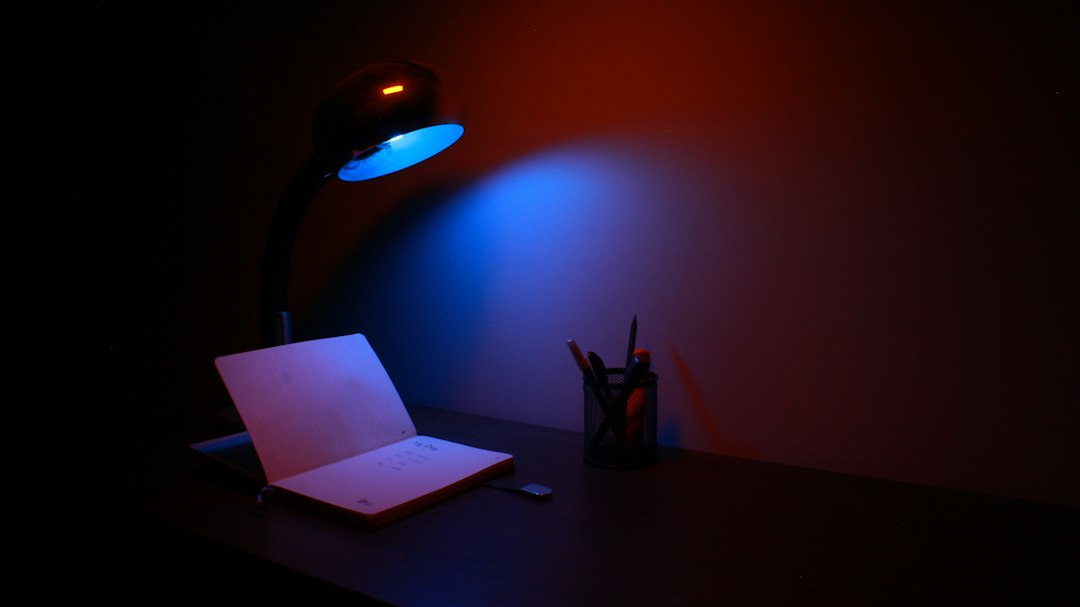
- Tips: Combine overhead ambient light with good task lighting at your desk. Avoid anything too warm as it can make you feel sleepy. If you work into the evening, consider tunable white bulbs that can shift to warmer temperatures later in the day to ease the transition to sleep.
Layering Lighting for Dynamic Ambiance
Achieving truly perfect ambiance isn’t just about picking one color temperature; it’s about layering different types of light, each serving a specific purpose and potentially a different Kelvin temperature. This strategy adds depth, flexibility, and visual interest to any room, moving beyond a single, flat light source.
The Three Pillars of Layered Lighting
Think of your lighting in three main categories, each contributing uniquely to the overall feel and function of a space:
- Ambient Lighting (General Illumination): This is your main, overarching light source, providing a comfortable level of brightness for general visibility. It’s the foundation upon which your other layers are built.
- Common Fixtures: Ceiling-mounted fixtures, recessed lights, track lighting, chandeliers, large floor lamps with diffusers.
- Color Temperature Role: Sets the primary mood of the room. In living rooms and bedrooms, this will usually be warm (2700K-3000K). In kitchens or offices, it might be more neutral (3000K-3500K).
- Task Lighting (Functional Illumination): These lights are designed to illuminate specific areas where activities like reading, cooking, or working are performed. They provide focused brightness where it’s most needed.
- Common Fixtures: Desk lamps, under-cabinet lighting, reading lamps, vanity lights.
- Color Temperature Role: Often slightly cooler than ambient lighting to improve visibility and reduce eye strain. For example, a 3500K under-cabinet light in a kitchen where the ambient light is 3000K.
- Accent Lighting (Decorative Illumination): This layer adds drama, highlights architectural features, artwork, or decorative objects, and creates visual interest. It’s all about drawing the eye.
- Common Fixtures: Wall sconces, picture lights, spotlights, strip lighting behind shelves, landscape lighting.
- Color Temperature Role: Can vary widely based on what you’re highlighting and the desired effect. Often, a slightly warmer or cooler temperature than the ambient light can make the accent pop. For instance, highlighting a warm-toned painting with a 2700K spotlight against a 3000K ambient room.
How Layering Enhances Ambiance
Imagine a living room with only a single overhead light. It’s functional, but flat and uninspiring. Now, picture that same room with:
- Warm Ambient Light (2700K): Recessed lights providing a soft overall glow.
- Slightly Brighter Task Light (3000K): A floor lamp next to a armchair for reading.
- Accent Lights (2700K): Small spotlights highlighting a piece of art on the wall, or strip lighting behind a bookcase for a subtle glow.
This layered approach allows you to:
- Create Zones: Define different areas within a single room for various activities.
- Add Depth and Dimension: Prevent a room from looking flat and one-dimensional.
- Increase Flexibility: Adjust the lighting for different times of day or different occasions. Hosting a party? Turn up the ambient and accent lights. Relaxing with a book? Focus on your task light.
- Enhance Decor: Make your furniture, artwork, and architectural details shine.
Implementing Layered Lighting
When planning your lighting layers, consider:
- Room Size and Layout: Larger rooms will naturally need more layers. Open-plan spaces benefit immensely from distinct lighting zones.
- Activities Performed: List all the activities that happen in the room to identify where task lighting is needed.
- Architectural Features & Decor: What do you want to highlight?
- Dimmers: Crucial for each layer. They allow you to fine-tune the intensity, dramatically altering the mood without changing the color temperature.
By thoughtfully combining ambient, task, and accent lighting, and varying their color temperatures appropriately, you unlock the full potential of your space, crafting dynamic and perfectly ambianced environments.
Smart Lighting: Tunable White and Beyond
Smart lighting technology has truly revolutionized how we approach ambiance, giving us unprecedented control over color temperature and intensity. Gone are the days of being stuck with a single Kelvin choice for a bulb; now, you can dynamically adjust your lighting to suit any moment, mood, or time of day.
Tunable White Technology
The cornerstone of modern smart lighting for ambiance is “tunable white” technology.
- What it is: Tunable white bulbs allow you to seamlessly shift the color temperature of your light from very warm (e.g., 2200K) to very cool (e.g., 6500K) using an app, remote control, or voice commands.
- How it works: These bulbs contain multiple LED chips – some emit warmer light, others cooler. By varying the power to these different chips, the bulb can blend them to produce any desired Kelvin temperature within its specified range.
- Benefits:
- Ultimate Flexibility: Change the mood of a room instantly. Want a cozy movie night? Dial it down to 2400K. Need to focus on cleaning? Crank it up to 4000K.
- Circadian Rhythm Support: This is a game-changer. You can program your lights to mimic natural daylight patterns throughout the day. Start with cool, energizing light in the morning (e.g., 5000K), transition to a neutral white in the afternoon (e.g., 3500K), and gradually warm down to a very dim, warm glow (e.g., 2200K) in the evening to prepare for sleep. This can significantly improve sleep quality and overall well-being.
- Testing Different Temperatures: Experiment with various color temperatures in a room before committing to fixed bulbs. This is particularly useful for new spaces or when you’re unsure which Kelvin temperature truly suits.
Full-Color (RGBW) Smart Bulbs
While tunable white focuses specifically on the white light spectrum, many smart bulbs also offer “full-color” capabilities, often labeled as RGBW (Red, Green, Blue, White).
- What it is: These bulbs not only offer tunable white light but can also produce millions of different colors. The “W” often indicates a dedicated white LED chip, meaning their white light performance is generally better than older RGB-only bulbs.
- Beyond Ambiance: While the primary focus of this article is white light ambiance, RGBW bulbs add another layer of decorative potential for specific scenarios – think accentuating holiday decor, creating a party atmosphere, or setting a unique mood with color washes.
- Integration with Tunable White: Many premium RGBW bulbs allow you to choose between specific colors or adjust the white light temperature, offering the best of both worlds.
Integrating Smart Lighting into Your Home
Implementing smart lighting doesn’t have to be overwhelming. You can start small and expand.
- Start with Key Areas: Begin with a few tunable white bulbs in your bedroom or living room to experience the benefits firsthand.
- Choose a System: Popular smart lighting ecosystems include Philips Hue, LIFX, Nanoleaf, and various Zigbee/Z-Wave compatible brands that integrate with smart home hubs like Amazon Alexa, Google Home, or Apple HomeKit. Research which system aligns best with your existing smart home setup or future plans.
- Consider Smart Switches: For recessed lighting or fixtures that don’t take individual bulbs, smart dimmers or smart switches can control entire circuits, often allowing for dimming and sometimes even tunable white capabilities if paired with compatible fixtures.
- Scheduling and Scenes: Leverage the power of smart apps to create schedules (e.g., gradually brightening cool light in the morning) and “scenes” (e.g., a “Movie Night” scene that dims lights to 2400K and turns on accent lights).
Smart lighting, especially tunable white technology, offers a sophisticated and convenient way to fine-tune your home’s ambiance. It moves beyond static lighting choices to dynamic environments that adapt to your needs and enhance your daily life.
Common Mistakes and How to Avoid Them
Even with a good understanding of color temperature, it’s easy to make a few missteps that can throw off your carefully planned ambiance. Being aware of these common pitfalls can save you time, money, and frustration.
Using a Single Color Temperature Throughout Your Home
This is perhaps the most frequent mistake. While it might seem convenient to buy a single pack of 2700K or 4000K bulbs and use them everywhere, it rarely results in optimal ambiance.
- The Problem: A warm, cozy 2700K that’s perfect for a living room will feel inadequate and dull in a kitchen or home office. Conversely, a crisp 4000K that aids focus in a study will feel harsh and sterile in a bedroom.
- The Fix: Treat each room as its own environment. Refer back to the “Matching Color Temperature to Room Function” section and select appropriate Kelvin temperatures for each space. Embrace variety where it makes sense.
Over-Cooling or Over-Warming a Room
Pushing the Kelvin temperature too far in either direction for a given room’s function can lead to discomfort.
- The Problem:
- Too Cool: A bedroom with 4000K or 5000K light will feel like a hospital room, making it difficult to relax or sleep. A living room with such cool light can feel unwelcoming.
- Too Warm: A kitchen or bathroom lit only with 2200K-2400K will lack the clarity needed for tasks, making food prep or grooming challenging and potentially unsafe. It can also make a space feel dingy or perpetually dim.
- The Fix: Aim for balance. For primary living spaces, stay within the comfortable 2400K-3000K range. For task-oriented rooms, gravitate towards 3000K-4000K. Always consider the primary function and desired emotional response for the space.
Neglecting Dimmers
Installing lights without dimmers severely limits your ability to adjust the mood and functionality of a room.
- The Problem: A room with only “on” or “off” settings, regardless of color temperature, is inflexible. A light that’s perfect for reading might be too bright for a quiet conversation, and a cozy light might not be bright enough for cleaning.
- The Fix: Install dimmers wherever possible, especially for ambient lighting in living rooms, dining rooms, and bedrooms. Dimmers allow you to vary the light intensity without changing the color temperature, giving you fine-grained control over the ambiance throughout the day and for different activities. For smart lighting, dimming is usually built-in.
Not Considering Wall Color and Decor
The color of your walls and furnishings can significantly impact how a light’s color temperature is perceived.
- The Problem: Warm light (2700K) can make cool-toned walls (blues, grays) appear slightly dull or even greenish. Cool light (4000K) can wash out warm-toned walls (creams, yellows, reds), making them appear starker than intended.
- The Fix: Test your chosen color temperature with your actual wall colors and decor elements before making a final decision. Hold up a bulb (or use a tunable white bulb) to see how it interacts with the room’s palette. Generally, warmer lights enhance warm colors and mute cool colors, while cooler lights brighten cool colors and can mute warm ones.
Focusing Only on Overhead Lighting
Relying solely on overhead ambient light results in flat, uninspired lighting that lacks depth and character.
- The Problem: A single overhead fixture creates harsh shadows and leaves corners of a room feeling dark and neglected. It makes a room feel less inviting and less dynamic.
- The Fix: Embrace layered lighting as discussed previously. Combine ambient lighting with task lighting and accent lighting to create depth, highlight features, and provide versatile illumination for various activities and moods. This also allows you to introduce different color temperatures subtly within the same space.
By being mindful of these common mistakes, you can approach your lighting design with greater confidence, ensuring that your efforts truly lead to perfect and personalized ambiance in every corner of your home.