

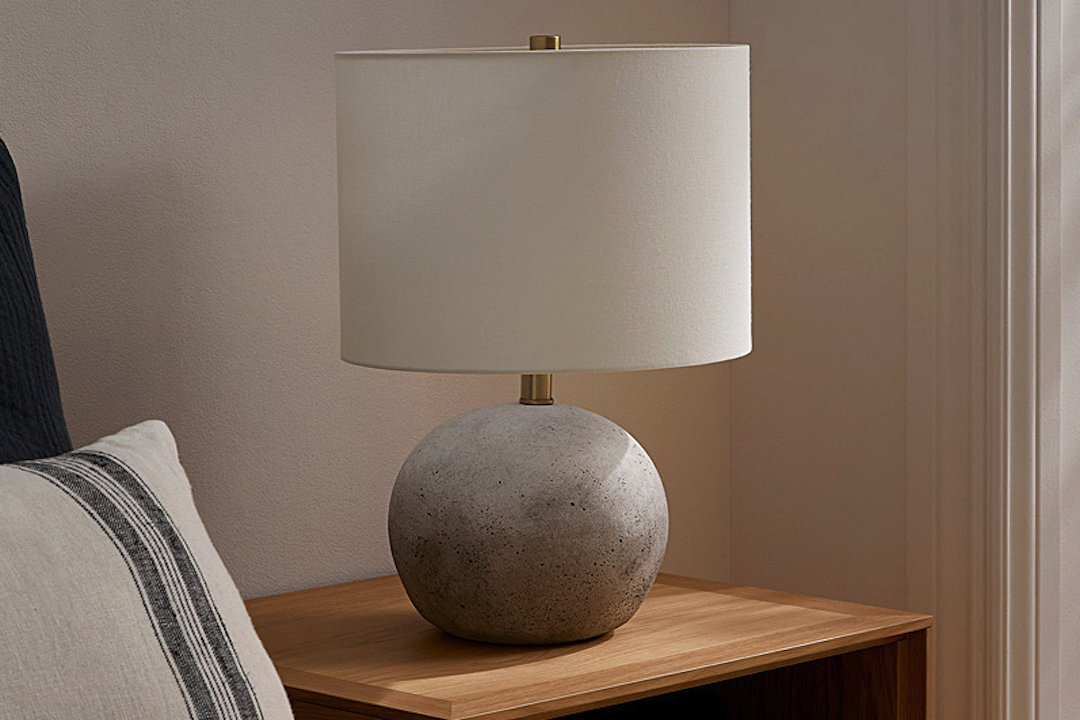
Minimalist Living: Solid Concrete Base Reading Lamp
So, you’re thinking about a minimalist reading lamp with a solid concrete base? That’s a smart move if you’re aiming for that clean, uncluttered aesthetic and a lamp that feels substantial and grounded. It’s not just about looking good; this kind of lamp can bring a sense of calm and stability to your reading nook. Let’s dive into what makes these lamps so appealing and what to keep in mind if you’re considering one.
Minimalism is all about intentionality – keeping only what serves a purpose and adds value, while creating a sense of peace and order. A concrete base reading lamp Simiglighting nails this.
Functionality Meets Form
The primary job of a reading lamp is, well, to provide light for reading. A well-designed concrete base lamp does this effectively, often with features like adjustable arms and focused beams. The ‘form’ part comes in with the material itself. Concrete, in its raw, unadorned state, is inherently minimalist. It’s honest, durable, and has a quiet strength.
The Beauty of Imperfection
Minimalism doesn’t mean sterile or boring. There’s a beauty in the subtle variations of concrete – the tiny pores, the occasional fleck of aggregate, the slight color differences. These aren’t flaws; they’re characteristics that make each lamp unique and add a touch of natural texture that can soften the often-hard edges of a minimalist space.
Weighty Presence, Light Footprint
A concrete base provides significant stability. This is crucial for a reading lamp, which often needs to be positioned just right and might get bumped. Despite its “heavy” material, the overall design of a minimalist lamp with a concrete base tends to be sleek and unobtrusive, so it doesn’t dominate your space.
Understanding the Material: Concrete in Design
Concrete isn’t just for sidewalks and buildings anymore. Designers have embraced it for its versatility and aesthetic appeal.
Beyond the Gray
When you think of concrete, you probably picture classic gray. While that’s common, concrete can actually be pigmented to achieve a range of colors, from soft whites and earthy browns to deeper charcoals. This allows for even more integration into your specific color palette.
Texture and Finish
The surface of concrete can be treated in various ways. It can be polished to a smooth, almost marble-like finish, or left with a more natural, slightly rough texture. The finish can significantly impact the overall look and feel of the lamp, from industrial chic to raw and earthy.
Durability and Longevity
Concrete is incredibly strong and resistant to wear and tear. This means a concrete base reading lamp is likely to be a long-lasting investment, aligning with the sustainable principles often associated with minimalism.
Key Design Elements of Minimalist Concrete Base Reading Lamps
The ‘minimalist’ label isn’t just about the material. It’s about the overall design philosophy.
Clean Lines and Simple Shapes
Expect to see straightforward geometric shapes: cylindrical bases, slender stems, and uncomplicated lamp heads. There are no fussy details, ornate carvings, or unnecessary embellishments. The focus is on the purity of form.
Unfussy Operation
Controls are typically integrated subtly. Think touch-sensitive dimmers, hidden switches, or simple toggle mechanisms. The goal is to keep the lamp’s silhouette as clean as possible when it’s not in use.
Thoughtful Illumination
Minimalist reading lamps are designed to provide functional light without being visually distracting. This often means adjustable lamp heads for directing light precisely where you need it, and often LED bulbs for energy efficiency and consistent, flicker-free light.
Limited Color Palettes
While concrete itself offers variations, minimalist lamps often stick to a restrained color palette. This typically includes shades of gray, black, white, and sometimes natural wood or brushed metal accents for the stem or shade. This adherence to a limited palette reinforces the uncluttered feel.
Practical Considerations for Your Concrete Base Reading Lamp
Beyond the aesthetics, there are a few practical points to ponder.
Weight and Placement
As mentioned, concrete provides stability. This is a good thing, but it does mean the lamp will have some heft. Think about where you’ll be placing it and if you’ll need to move it often. A heavier base might be a benefit in a high-traffic area or if you have pets or children who might bump into it.
Cable Management
Minimalist designs often try to hide or minimize visible cables. Some lamps have clever routing systems for the power cord, while others might have a more exposed but still neatly managed cable. Consider how this might look in your space and if you have ways to conceal it further if needed.
Bulb Type and Brightness
Ensure the lamp uses an LED bulb, which is standard for energy efficiency and longevity. Pay attention to the lumen output (brightness) and color temperature (warm vs. cool light). For reading, a warm to neutral white light (around 2700K-3000K) is generally preferred to avoid eye strain. A dimmable feature is a significant plus for versatility.
Adjustability
How much can the lamp move? A flexible arm or a tilting head is essential for directing light precisely to your book or task. Some minimalist designs might sacrifice extreme adjustability for pure form, so check the specifications to ensure it meets your needs.
Size and Scale
Consider the proportions of the lamp in relation to your furniture and the overall room. A lamp that’s too large or too small can disrupt the minimalist balance. Measure your space and compare it to the lamp’s dimensions to ensure a harmonious fit.
Where to Find and What to Look For
When you’re ready to start browsing, here’s what to keep in mind.
Dedicated Lighting Stores and Online Retailers
Many reputable lighting stores, both online and brick-and-mortar, will carry minimalist designs. Websites that focus on modern and contemporary furniture and decor are also excellent places to look.
Independent Designers and Artisans
For something truly unique, explore independent designers and artisans who specialize in using concrete and other raw materials. Platforms like Etsy can be great for discovering these creators.
Read Reviews
Before you buy, take a moment to read customer reviews. Look for comments on the lamp’s stability, the quality of the materials, the ease of assembly, and the actual light output. Real-world feedback can be invaluable.
Inspect Materials and Finish
If possible, try to see the lamp in person to appreciate the texture and finish of the concrete. If buying online, rely on high-quality product photos and detailed descriptions.
Consider the Stem and Shade Materials
While the base is concrete, the stem and shade can be made from a variety of materials. Brushed metal, natural wood, or even a matte-finished metal are common pairings that complement concrete well and maintain the minimalist aesthetic. Ensure these materials feel robust and well-finished.
Think About Integrated Technology
Some modern minimalist lamps incorporate smart technology, like app control or voice activation. While this adds functionality, it can sometimes complicate the minimalist appeal. Decide if you value these features or prefer a more straightforward, purely functional design. If you do opt for smart features, ensure they are elegantly integrated and don’t detract from the lamp’s clean lines.
Maintaining Your Minimalist Concrete Lamp
Minimalist doesn’t mean zero maintenance, but it’s usually pretty straightforward.
Dusting
The most common task will be dusting. Use a soft, dry cloth. For more stubborn dust or a bit of grime, a slightly damp cloth (well wrung out) will do the trick, followed by a dry wipe.
Concrete Care
Concrete is relatively porous, so it’s wise to avoid harsh chemicals, abrasive cleaners, or leaving liquids sitting on the surface for extended periods. Most general household cleaners should be fine, but always test in an inconspicuous area first. A concrete sealer can be applied during manufacturing or by the user to provide an extra layer of protection against stains and moisture, though this is less common for interior decorative items unless explicitly stated.
Bulb Replacement
Most LED bulbs last a very long time, so this won’t be a frequent concern. When it does come time to replace the bulb, follow the lamp’s instructions carefully. Ensure the lamp is unplugged before attempting any bulb changes.
Checking Connections
Periodically, it might be worth giving the stem and lamp head connections a gentle check to ensure they’re still snug. This is usually not a concern with well-made lamps, but a quick look can prevent any issues down the line.
Aesthetic Touch-Ups
While concrete is durable, minor chips or surface marks can happen. For very minor imperfections, small amounts of concrete repair filler or even certain types of art paste can sometimes be used to blend them in, especially on textured finishes. For polished concrete, a colored wax can sometimes help. However, for most users, embracing these minor “patina” elements is part of the material’s charm in a minimalist context.
In conclusion, a solid concrete base reading lamp is an excellent choice for anyone looking for functional, stylish, and grounded lighting that perfectly complements a minimalist lifestyle. It offers stability, a natural aesthetic, and a sense of enduring quality. By considering the material, design elements, and practical aspects, you can find a lamp that will not only illuminate your reading but also enhance the overall peace and intention of your living space.