
Rustic Wooden Beam Pendant Light: Exposed Edison Bulbs for Dining Area
So, you’re wondering if a rustic wooden beam pendant light with exposed Edison bulbs is a good fit for your dining area? The short answer is yes, absolutely! It’s a fantastic choice if you’re aiming for a warm, inviting, and somewhat industrial-chic vibe. These fixtures combine natural elements with vintage aesthetics, creating a unique focal point that can truly elevate your dining space.
Why Choose a Wooden Beam Pendant?
There’s something inherently charming about a wooden beam pendant. It’s a nod to a simpler time, a touch of farmhouse authenticity or industrial ruggedness brought indoors. The exposed Edison bulbs, with their visible filaments and warm glow, further enhance this nostalgic appeal, making your dining area feel cozy and welcoming – perfect for long dinners and heartfelt conversations.
The Allure of Rustic Wooden Beam Pendants
Let’s dig a bit deeper into why these lights Jayhull have become such a popular choice, especially for a central gathering place like the dining room. It’s more than just a light source; it’s a design statement.
Bridging Design Styles
One of the great strengths of a wooden beam pendant is its versatility. While “rustic” is in the name, these lights aren’t limited to just farmhouse or cabin interiors. They can surprisingly blend into a variety of design aesthetics.
Farmhouse Chic
This is the most obvious pairing. A wooden beam pendant with Edison bulbs instantly evokes images of renovated barns and idyllic country homes. Imagine it hanging above a large wooden farmhouse table, perhaps with mismatched chairs and a few potted plants. The raw, unrefined character of the wood perfectly complements the unpretentious nature of farmhouse decor. Opt for a beam with visible knots, grains, and even some natural irregularities to really lean into this look.
Industrial Edge
Despite its natural origins, a wooden beam can also feel very at home in an industrial setting. Pair it with metal accents – black pipe, galvanized steel, or even exposed brick walls. The warmth of the wood provides a beautiful contrast to the cool, hard lines of industrial design, preventing the space from feeling too cold or sterile. The exposed Edison bulbs, which hark back to early 20th-century lighting, reinforce this industrial aesthetic.
Modern Rustic Fusion
For those who appreciate clean lines but still want warmth, a modern rustic approach can be achieved. Choose a beam with a smoother finish or a more streamlined shape. Combine it with modern dining chairs and a minimalist table. The pendant then acts as a grounding element, bringing organic texture and a touch of warmth into an otherwise contemporary space. It prevents the room from feeling too stark or impersonal.
Bohemian Touches
While less common, a rustic beam can also find a place in a bohemian-inspired dining area. Think about layering textures – macrame wall hangings, woven rugs, and lush plants. The natural wood of the pendant blends seamlessly with other organic materials, adding an earthy, relaxed feel. The soft glow of the Edison bulbs contributes to the cozy, eclectic atmosphere.
The Appeal of Natural Materials
There’s an undeniable draw to natural materials. Wood brings warmth, texture, and a sense of history into a space. Unlike metal or plastic, wood has a living quality, with variations in grain, color, and texture that make each piece unique.
Organic Warmth
Visually, wood transmits warmth. It softens a space and makes it feel more inviting. This is particularly important in a dining area, where you want people to feel comfortable and linger. The organic texture also adds visual interest without being overwhelming.
A Sense of Authenticity
In a world increasingly dominated by mass-produced items, a piece of natural wood feels authentic. It often shows marks of its past, adding character and a story to your home. This authenticity can make a dining room feel more genuine and less staged.
Sustainability (Potentially)
If you’re mindful of your environmental impact, choosing a light fixture made from reclaimed wood can be a sustainable option. Repurposing old barn beams or salvaged timber reduces waste and gives new life to existing materials, adding to the charm and story of the piece.
Understanding Edison Bulbs
The “exposed Edison bulb” component isn’t just an aesthetic add-on; it’s a crucial part of the overall look and feel of these pendant lights. These aren’t your typical bright, everyday bulbs.
The Vintage Aesthetic
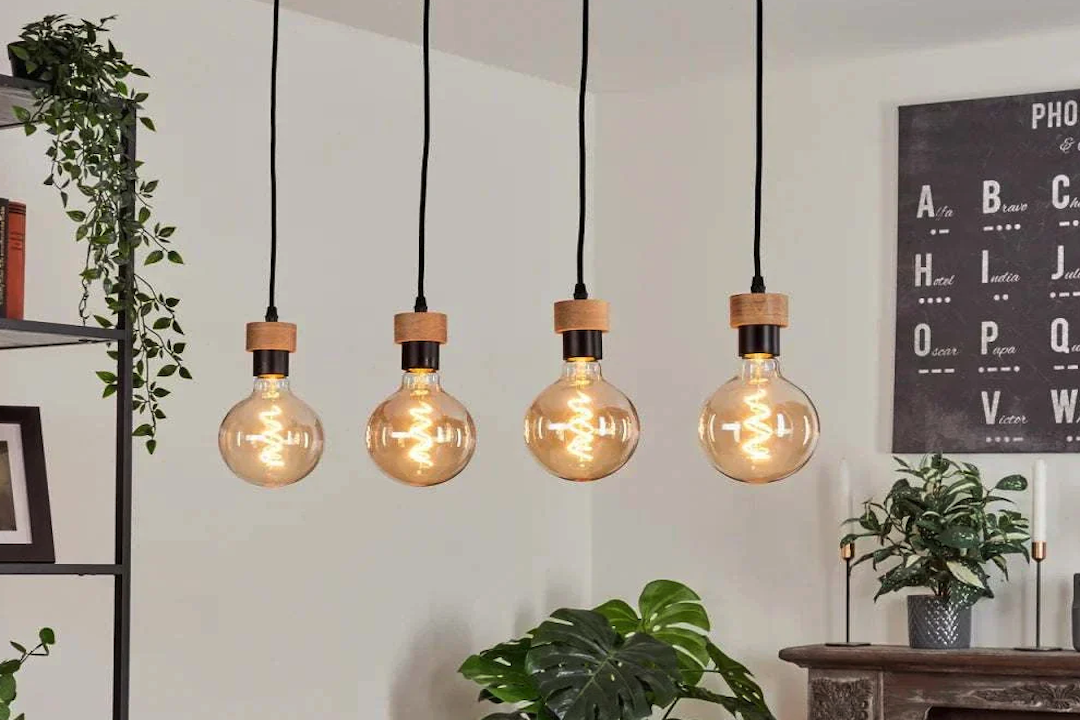
Edison bulbs are designed to mimic the appearance of early incandescent light bulbs, particularly those from Thomas Edison’s era. Their most distinctive feature is the visible filament, often arranged in intricate patterns like a squirrel cage or spiral.
Warm, Ambient Glow
Unlike modern LED or CFL bulbs that often produce a bright, sometimes harsh light, Edison bulbs emit a distinctly warm, often amber-toned glow. The color temperature is typically very low (around 2200-2700 Kelvin), which is perceived as soft and inviting. This makes them ideal for creating atmosphere rather than bright, task-oriented lighting. In a dining area, this translates to a cozy, intimate ambiance that encourages relaxation and conversation.
Dimming Capabilities
To truly get the most out of Edison bulbs, having them on a dimmer switch is almost essential. This allows you to adjust the light intensity to suit different moods and occasions – brighter for preparing the table or reading recipes, and dimmer for a romantic dinner party. Without a dimmer, the fixed output might be too low for some tasks or too bright for a truly intimate setting.
Filament Design Variety
Beyond the standard squirrel cage, Edison bulbs come with a range of filament designs. Some feature a simple straight wire, others a complex spiral, or even a zigzag pattern. Each design offers a slightly different visual appeal, allowing for a degree of customization within the overall vintage aesthetic. Consider which filament pattern best complements the level of rustic detail in your wooden beam.
Practical Considerations for Edison Bulbs
While charming, Edison bulbs do have a few practical aspects to keep in mind.
Lumens and Brightness
It’s important to understand that Edison bulbs are not designed for high luminescence. Their primary purpose is aesthetic and ambient lighting. If your dining area relies solely on this pendant for illumination, you might find it too dim for certain activities. This is where supplemental lighting, like recessed lights, wall sconces, or even task lighting on a buffet, can come into play.
Energy Consumption (Traditional vs. LED)
Historically, traditional incandescent Edison bulbs consumed a fair amount of energy and had a relatively short lifespan. However, LED versions of Edison bulbs are now widely available. These LED Edison bulbs perfectly replicate the vintage look, including the visible filament and warm glow, but they are dramatically more energy-efficient and last much longer. When purchasing, definitely opt for the LED versions to save on energy bills and reduce maintenance.
Key Considerations for Your Dining Area
Before you commit to a specific fixture, take a moment to think about how it will integrate into your dining space. It’s not just about aesthetics; practicality plays a big role.
Sizing and Scale
This is probably one of the most critical factors. A pendant light should be proportionate to your dining table and the overall room size.
Table Length
As a general rule of thumb, the width or diameter of your pendant light should be about 2/3 to 3/4 the width of your dining table. For a beam-style light, often quite long, you want to ensure it doesn’t extend past the ends of your table. If your table is very long, you might even consider two smaller beam pendants or a single very long one with multiple light sources strung along it. Avoid having a beam that’s too short, as it can look awkward and underwhelm the space.
Ceiling Height
Low ceilings might make a very large or long pendant feel overwhelming or make the room feel smaller. For standard 8-9 foot ceilings, aim for the bottom of the fixture to be about 30-36 inches above the tabletop. Higher ceilings (10 feet+) can accommodate larger or longer drops, but still maintain the 30-36 inch rule from the tabletop. Use painter’s tape to mark these heights on your ceiling and above your table to get a visual sense before you install.
Room Dominance
Consider how dominant you want the light fixture to be. A large, chunky beam will be the undisputed focal point, while a more slender beam with fewer bulbs might blend more seamlessly if you have other strong design elements in the room.
Material and Finish Choices
The “wooden” part of the beam can vary significantly, impacting its final look.
Wood Type
Different woods have different grains, colors, and textures.
- Reclaimed Barn Wood: Often highly textured, weathered, and rich in character. This is perfect for a truly rustic or farmhouse look. It tells a story.
- Oak: Durable, with a prominent grain. Can range from lighter tones to darker browns, depending on the stain.
- Pine: Lighter in color, often with visible knots. Generally more affordable and readily available. Can be stained to mimic darker woods.
- Walnut: Luxurious dark brown wood with a fine, beautiful grain. More expensive but offers a sophisticated rustic appeal.
- Maple: Light-colored with a subtle grain, offering a cleaner, more contemporary rustic feel.
Finish
The finish applied to the wood beam significantly changes its appearance.
- Natural/Unfinished: Highlights the raw beauty and texture of the wood. Needs sealing to protect from moisture and dust.
- Clear Coat/Sealer: Protects the wood while largely preserving its natural color and grain. Provides a subtle sheen.
- Stained: Allows you to change the wood’s color (e.g., darker walnut, lighter gray wash) while still letting the grain show through.
- Painted: Less common for rustic beams as it covers the wood grain, but a distressed paint finish can offer a shabby chic or coastal rustic vibe.
Hardware Details
The hardware – the chains, rods, and bulb sockets – also contributes to the overall aesthetic.
- Blackened Metal/Matte Black: Very popular for an industrial-rustic look, providing strong contrast against the wood.
- Bronze/Oil-Rubbed Bronze: Offers a warmer, more traditional rustic feel, often with a subtle sheen.
- Galvanized Steel/Silver: For a more pronounced industrial or even slightly modern edge.
- Twisted Fabric Cords: Can add another layer of vintage charm and texture, especially if the cords are visible.
Lighting Needs and Ambience
Think about how you use your dining room and what kind of lighting you truly need.
Primary Lighting Source
Is this pendant the only light in your dining room? If so, you might find a traditional Edison bulb setup to be too dim, especially if you need to perform tasks like reading or working at the table. In such cases, consider fixtures with more bulbs or supplement with other lighting.
Layered Lighting
The best approach for a dining room is often layered lighting. Your wooden beam pendant can serve as the primary ambient lighting and a decorative focal point. You can then add:
- Recessed Lighting: Provides general illumination or task lighting for specific areas.
- Wall Sconces: Add decorative light at eye level and can soften shadows.
- Dimmable Switches: Crucial for setting various moods. You can make the dining area bright for cleaning or game nights, or dim and intimate for dinner parties.
Bulb Choice (LED Edison)
As mentioned, always opt for LED Edison bulbs. They offer the same vintage look and warm glow but are vastly more energy-efficient and longer-lasting. Check the color temperature (around 2200K-2700K is ideal for that warm, inviting glow) and make sure they are dimmable if you plan to use a dimmer switch.
Installation and Safety Tips
While not overly complex, installing a pendant light, especially a heavier wooden beam, requires some basic knowledge and attention to safety. If you’re unsure, it’s always best to hire a licensed electrician.
Secure Mounting
Wooden beam pendants can be quite heavy. Unlike a lightweight metal fixture, these often require more substantial support.
Ceiling Joists
Ideally, the light fixture should be securely mounted directly into a ceiling joist. This provides the strongest and safest support. Use a stud finder to locate these joists.
Support Brackets/Blocking
If joists aren’t in the ideal location, or if the fixture is particularly heavy, you might need to install additional blocking between joists or use a heavy-duty ceiling box designed for chandeliers and heavier fixtures. Never rely solely on drywall anchors for a substantial wooden beam.
Proper Wiring
Ensure all wiring is correctly connected (hot to hot, neutral to neutral, ground to ground). If the fixture has a ground wire, it must be connected to the ground wire in your home’s electrical box for safety.
Calculating Drop Length
Getting the height right is crucial for both aesthetics and functionality.
Measuring From Tabletop
The standard recommendation is to have the bottom of the light fixture approximately 30-36 inches above the dining table surface. This ensures it illuminates the table effectively without obstructing views across the table or bumping into heads when people stand up.
Adjusting for Ceiling Height
For very high ceilings (over 10-12 feet), you might go a bit higher, but always keep the 30-36 inch rule from the tabletop as your primary guide. For lower ceilings, sticking to the lower end of that range (around 30 inches) might feel more comfortable.
Visual Test
Before making final adjustments, temporarily hold the fixture at different heights (or have someone else do it) while you stand back and assess. This visual check can be incredibly helpful.
Bulb Wattage and Heat
Even LED Edison bulbs will produce some heat, though far less than traditional incandescents.
Lumens vs. Watts
Focus on the lumen output for brightness and the Kelvin temperature for color rather than just guessing by wattage. LED bulbs use significantly less wattage to produce the same lumens as older bulbs.
Heat Dissipation
Ensure there’s adequate air circulation around the bulbs, especially if they are enclosed or if the fixture has many bulbs in a compact space. While not usually an issue with open-air beam pendants, it’s good practice.
Material Compatibility
Traditional Edison bulbs got very hot. While less of a concern with LEDs, ensure any materials near the bulbs (like decorative elements or fabric cords) are rated for appropriate temperatures, as a safety precaution.
Where to Find Your Perfect Light
Once you’ve got a clear idea of what you’re looking for, knowing where to shop can save you a lot of time and effort.
Online Retailers
The internet offers the widest selection, from mass-market options to boutique artisan pieces.
Specialty Lighting Stores
Websites dedicated solely to lighting often have a curated selection and knowledgeable customer service. They might carry higher-end or more unique designs.
E-commerce Giants
Sites like Amazon, Wayfair, Etsy, and Houzz offer a vast array of options.
- Pros: Huge selection, competitive pricing, customer reviews, easy comparison shopping.
- Cons: Can be overwhelming, quality can vary greatly (especially on marketplaces like Etsy where individual sellers operate), harder to judge true scale/color from pictures alone. Look for sellers with good photos, detailed descriptions, and positive feedback.
Local Shops
Don’t underestimate the value of shopping in person if you can.
Lighting Showrooms
These are fantastic for seeing fixtures in person, getting a feel for their scale, and experiencing the light quality from different bulbs. Staff can often provide expert advice.
Antique/Reclamation Stores
If you’re truly after an authentic, one-of-a-kind rustic piece, check out architectural salvage yards or antique stores. You might find an actual old beam that can be repurposed and wired by an electrician to create a custom pendant. This is typically a more involved and expensive process but results in a unique conversation piece.
Custom Woodworkers
For something truly specific, consider commissioning a local woodworker. This allows you to choose the exact wood, dimensions, finish, and hardware to perfectly match your vision. It will be more costly, but the result will be a bespoke fixture tailored to your space.
What to Look For When Buying
Regardless of where you buy, keep these points in mind:
- Reviews: Always read customer reviews, paying attention to comments about quality, ease of installation, and accuracy of product descriptions.
- Dimensions: Double-check all measurements – length, width, height, and chain/rod length.
- Bulb Requirements: Confirm the type of socket (E26/E27 are common for Edison bulbs), maximum wattage, and whether bulbs are included.
- Return Policy: Understand the return policy in case the fixture isn’t quite right when it arrives.
- Certifications: Look for safety certifications (e.g., UL listed in North America) to ensure the fixture meets electrical safety standards.
Final Thoughts: Making it Your Own
A rustic wooden beam pendant light with exposed Edison bulbs is more than just a functional object; it’s a character piece. It brings warmth, history, and a touch of handcrafted charm to your dining space. By carefully considering its size, the specific wood and finish, and how it integrates with your overall lighting plan, you can create a truly stunning and inviting dining area that accurately reflects your desired aesthetic.
Don’t be afraid to let its unique character shine. This type of light fixture isn’t meant to blend into the background; it’s designed to be noticed and appreciated. Embrace the imperfections of the wood, the warm glow of the vintage bulbs, and the authentic story it tells in your home.