

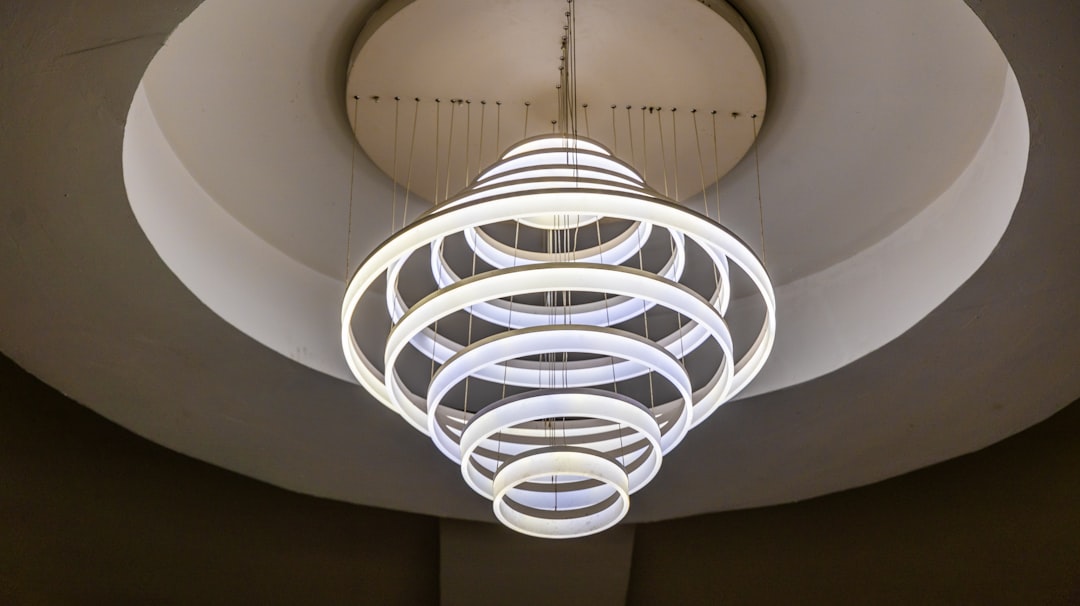
Elegant Embossed Base Decorative Chandelier: A Timeless Addition to Any Space
The chandelier, a multi-branched light fixture, has a history stretching back centuries, evolving from functional candle holders to elaborate expressions of artistry and status. Among the vast array of designs, the Elegant Embossed Base Decorative Chandelier stands as a notable example, characterized by its distinctive base and general aesthetic principles. This article explores its design, construction, historical context, and practical considerations for its integration into various environments.
The Elegant Embossed Base Decorative Chandelier Looou embodies a design philosophy that balances ornamentation with a sense of refined restraint. It often draws inspiration from historical periods where decorative arts flourished, yet it avoids overly boisterous or theatrical elements. The emphasis lies on subtle detailing and harmonious proportions, designed to create a focal point without overwhelming its surroundings.
The Embossed Base: A Defining Feature
The most prominent characteristic of this chandelier type is its embossed base. “Embossing” refers to a technique where a surface is raised to create a three-dimensional design, often through pressing or stamping. In the context of a chandelier, this base typically refers to the central structural element from which the arms and lighting elements extend. The patterns on this base can vary significantly, ranging from floral motifs and acanthus leaves, common in Neoclassical and Baroque revival styles, to more geometric or abstract designs found in Art Deco or contemporary interpretations. This embossed detail acts as an anchor, visually stabilizing the entire fixture and providing a tactile dimension to its aesthetic.
Material Selection and Finish
The choice of materials is crucial to the chandelier’s overall presentation. Brass, bronze, and iron are common metals used for the frame, offering durability and a range of finishes. Polished brass provides a bright, reflective quality, while oxidized bronze can evoke a sense of antiquity. Nickel and chrome finishes offer a more contemporary, sleek appearance. These metals are often complemented by crystal or glass elements, which refract light and add sparkle. The quality of the crystal, whether lead crystal (for superior light dispersion) or simpler glass, significantly impacts the chandelier’s visual appeal and price point.
Proportional Balance and Form
A well-designed Elegant Embossed Base Decorative Chandelier exhibits careful consideration of proportional balance. The size of the base, the length and curve of the arms, and the placement of the light sources are all orchestrated to create a visually pleasing form. Overly large bases can make the fixture appear top-heavy, while disproportionately long arms can give it an ungainly spread. The chandelier’s silhouette often follows established aesthetic principles, such as the golden ratio, contributing to its inherent sense of harmony.
Historical Context and Influences
Understanding the historical underpinnings of chandelier design provides insight into the enduring appeal of the Elegant Embossed Base Decorative Chandelier. Its elements often echo past artistic movements, translating them into a modern context.
Neoclassical and Baroque Revival Echoes
Many Elegant Embossed Base designs borrow heavily from Neoclassical and Baroque revival styles. The Neoclassical period (late 18th to early 19th century) emphasized classical antiquity, characterized by symmetry, order, and a more restrained form of ornamentation compared to the preceding Baroque era. Yet, the Baroque influence, with its love for grandeur and elaborate detail, is also evident in the embossed patterns. This fusion creates a chandelier that feels both stately and intricate, a bridge between two significant design epochs.
The Arts and Crafts Movement’s Impact
While seemingly disparate, the Arts and Crafts movement (late 19th to early 20th century) indirectly influenced the appreciation for craftsmanship and material honesty evident in these chandeliers. Though Arts and Crafts chandeliers typically favored simpler, unadorned forms, the movement’s emphasis on quality construction and the beauty of natural materials laid a groundwork for appreciating the detailed work found in embossed metalwork, moving away from mass-produced, imitation goods.
Contemporary Adaptations
In contemporary design, the Elegant Embossed Base Decorative Chandelier is reinterpreted. Designers may simplify the embossed patterns, use unexpected materials (like acrylic or resin alongside metal), or incorporate LED lighting. The core concept of a decorative base remains, but its expression adapts to modern sensibilities, often favoring clean lines and subtle textures over overt historical mimicry.
Construction and Installation
The construction of an Elegant Embossed Base Decorative Chandelier involves both traditional craftsmanship and modern manufacturing techniques. Proper installation is paramount for both safety and optimal aesthetic display.
Manufacturing Processes
The embossed base itself is typically produced through stamping or casting. Stamping involves pressing a sheet of metal into a die with the desired pattern, while casting pours molten metal into a mold. Subsequent processes include filing, sanding, and polishing to refine the surface. The arms are often individually shaped and then joined to the central base. Welding, soldering, or mechanical fasteners are used to assemble the various components. Electrical wiring is then integrated, carefully routed through the arms and central column to the lamp holders.
Electrical Considerations
Before installation, it is crucial to verify that the existing electrical infrastructure can support the chandelier’s wattage and weight. This often involves inspecting the junction box and associated wiring. If the existing wiring is insufficient or outdated, an electrician should upgrade it to meet current safety standards. Dimmer switches are a common addition, offering control over the light output and mood.
Mounting and Support
Chandelier installation requires secure mounting to the ceiling structure. Unlike simple flush-mount fixtures, chandeliers, especially larger ones, can be substantial in weight. A reinforced ceiling joist or a specialized chandelier support bracket is frequently necessary to ensure robust anchorage. If you are unsure about your ceiling’s capacity, consulting with a qualified professional is advisable. Improper installation can lead to structural failure and significant damage or injury.
Placement and Integration in Space
The careful placement of an Elegant Embossed Base Decorative Chandelier is akin to placing a jewel in a setting; it must complement and enhance its surroundings. This fixture is more than a light source; it is an architectural element.
Dining Rooms and Living Areas
In a dining room, the chandelier typically hangs centrally over the dining table, serving as a focal point for gatherings. It should be positioned high enough to avoid obstructing views but low enough to effectively illuminate the table. As a general guideline, the bottom of the chandelier should be approximately 30-36 inches (76-91 cm) above the tabletop in a room with standard 8-foot (2.4 m) ceilings; adjustments can be made for higher ceilings. In living rooms, it can define a seating area or create a dramatic accent in a larger space.
Entryways and Foyers
In an entryway or foyer, an Elegant Embossed Base Decorative Chandelier creates a grand first impression, acting as a welcoming beacon. In these areas, where people often stand beneath it, sufficient clearance is essential. A common rule of thumb is to ensure at least 7 feet (2.1 m) of clearance from the bottom of the chandelier to the floor. The scale of the chandelier should be proportionate to the size of the space; a small chandelier in a vast foyer will appear lost, while an oversized one in a compact entry can feel imposing.
Balancing with Existing Decor
Integrating this type of chandelier effectively means considering the existing decor. If your space features traditional furnishings, a more ornate embossed pattern and classic finishes like polished brass might be appropriate. For a more contemporary or transitional aesthetic, a chandelier with a simpler embossed design, perhaps in brushed nickel or black iron, could provide a harmonious contrast or complement. The chandelier should act as a conversational piece, not a disruptive element.
Maintenance and Care
Like any finely crafted item, an Elegant Embossed Base Decorative Chandelier requires regular maintenance to preserve its beauty and functionality.
Regular Cleaning
Dust accumulation is the most common issue. Regular, gentle dusting with a soft cloth or a feather duster helps prevent heavy build-up. For more thorough cleaning, especially of crystal or glass components, a specialized chandelier cleaner or a mild solution of warm water and a small amount of ammonia-free glass cleaner can be used. Always spray cleaner onto a cloth first, rather than directly onto the fixture, to avoid moisture damaging electrical components or metal finishes.
Polishing and Finish Preservation
Metal finishes require specific care. Polished brass and bronze can tarnish over time; specialized metal polishes designed for these materials can restore their luster. However, exercise caution with lacquered finishes, as aggressive polishing can remove the protective coating. For plated finishes (e.g., nickel, chrome), a soft, damp cloth is usually sufficient. Always refer to the manufacturer’s care instructions, as harsh chemicals can damage finishes.
Electrical Component Checks
Periodically inspect the wiring and lamp holders for any signs of wear or damage. Ensure light bulbs are securely seated. If a bulb repeatedly burns out quickly, it might indicate a wiring issue or a faulty socket, which should be addressed by a qualified electrician. Timely intervention can prevent minor issues from escalating into more significant problems.
Conclusion
The Elegant Embossed Base Decorative Chandelier, with its distinctive base and careful blend of historical design and contemporary application, offers a timeless addition to any interior. It is a piece that transcends mere illumination, acting as a testament to craftsmanship and an anchor for aesthetic coherence. When considering its design, historical context, proper installation, careful placement, and diligent maintenance, this chandelier can serve as a lasting and distinguished element within your home or commercial space, casting its unique glow for years to come. It stands not merely as a light source, but as a silent storyteller, reflecting both light and the echoes of design history.