
Enhance Your Kitchen Bar with Adjustable Brass Pendant Light
The kitchen bar, a focal point for both culinary endeavors and social interaction, benefits significantly from appropriate illumination. Adjustable brass pendant lights offer a blend of functionality and aesthetic appeal, becoming a popular choice for homeowners seeking to elevate this space. This article explores the characteristics, benefits, and considerations associated with these fixtures, providing a comprehensive overview for those looking to integrate them into their kitchen bar design.
An adjustable brass pendant light Akahome is not a monolithic entity. It comprises several distinct parts, each contributing to its overall performance and visual impact. Understanding these components is the first step in appreciating the fixture’s utility and making an informed selection.
The Pendant Shade
The pendant shade is the most visually prominent element of the fixture. For brass pendant lights, the shade is typically crafted from brass, a metal alloy known for its durability, warm hue, and malleability, allowing for a variety of shapes and finishes.
Materials and Finishes
Brass itself can range in color from a pale yellow to a deep, rich gold, depending on its composition and the applied finish. Common finishes include:
- Polished Brass: This finish offers a bright, reflective surface, mirroring ambient light and contributing to a more opulent feel. It requires regular polishing to maintain its sheen and prevent tarnishing.
- Brushed Brass: This finish has a matte or satin appearance, achieved by brushing the metal surface. It offers a softer, more subdued luminescence than polished brass and is generally more resistant to fingerprints and smudges.
- Antique Brass: This finish mimics the look of aged brass, often featuring darker patinas in crevices and highlights on raised surfaces. It lends a vintage or classic character to the fixture.
- Hammered Brass: The surface of the shade is intentionally textured with hammer marks, creating an artisanal and visually dynamic effect. This can catch light in interesting ways, adding depth and texture.
- Wrought Iron with Brass Accents: While not exclusively brass, some pendants incorporate wrought iron or other metals for the main shade structure, with brass elements used for decorative banding, chains, or holders.
The choice of finish directly influences the mood and style of the kitchen bar. A polished brass shade can act as a sophisticated mirror, reflecting the activity and conversation below, while a hammered brass shade might be more like a textured sculpture, its uneven surface catching and diffusing light in a more artistic manner.
Shade Shapes
The shape of the pendant shade plays a crucial role in directing light and defining the fixture’s silhouette. Common shapes include:
- Bell/Dome: These provide a focused downward light, ideal for task lighting over a bar surface. They can also offer a degree of privacy by obscuring the bulb from direct view.
- Drum: A cylindrical shade offers a more diffused, widespread light. This can create a softer ambiance, suitable for less task-oriented areas or for when a gentler glow is desired.
- Cone: Similar to bell shades, cones direct light downwards but often have a more modern or minimalist profile.
- Bowl: A concave shade can spread light more broadly than a bell or cone, and can also direct some light upwards, contributing to general room illumination.
- Geometric Shapes: Designs incorporating cubes, hexagons, or other geometric forms add a contemporary edge and can serve as a statement piece.
The shape of the shade acts as a lens, shaping the light that emerges from it. A broad drum shade is like a gentle fog, softly illuminating a wide area, whereas a narrow cone is more akin to a focused spotlight, pinpointing light where it’s most needed.
The Adjustable Mechanism
The defining feature of an “adjustable” pendant light is its capacity to modify its hanging height. This is achieved through various mechanisms, each offering a different level of flexibility.
Suspension Systems
The method by which the pendant is suspended from the ceiling is key to its adjustability. Common systems include:
- Cords and Pulley Systems: Some designs incorporate a visible pulley system, often with a counterbalance weight. This allows for a significant range of height adjustment and can contribute to the industrial or nautical aesthetic of certain pendants. The cord itself, whether fabric-covered or metal, also plays a role in the visual design.
- Telescopic Rods: Instead of a cord, a metal rod extends and retracts, allowing for height adjustments. These offer a cleaner, often more modern look and are frequently found in transitional or contemporary fixtures.
- Adjustable Cords with Clamps/Locking Mechanisms: Simple cords can be adjusted by means of internal friction locks, external clamps, or cleat-style mechanisms that wrap and secure excess cord. This is a common and effective method for achieving a desired drop length.
- Plug-In with Adjustable Cord Length: Some plug-in pendants offer extended cords that can be coiled, tied, or secured to achieve the desired hanging height without hardwiring.
The suspension system is the spine of the pendant, dictating how it hangs and how much freedom you have to position it in three-dimensional space. It’s not just about getting the light down; it’s about placing it precisely where it will do the most good.
The Light Source (Bulb)
While the shade and mechanism are critical, the light source itself is the engine of illumination. The type of bulb used in an adjustable brass pendant light significantly impacts the quality, color temperature, and energy efficiency of the light.
Bulb Types and Considerations
- Incandescent Bulbs: These produce a warm, familiar light but are inefficient and have a short lifespan. They are largely being phased out due to energy regulations.
- Halogen Bulbs: A more energy-efficient version of incandescent, offering brighter light and better color rendering, but still less efficient than LED.
- CFL (Compact Fluorescent Lamps): These were an early energy-saving option but can sometimes produce a cooler light and may have a delay in reaching full brightness. They also contain mercury.
- LED (Light Emitting Diode) Bulbs: This is the most energy-efficient and longest-lasting option. LEDs are available in a wide range of color temperatures and brightness levels and can be dimmed.
When selecting a bulb, consider the following:
- Wattage (or Equivalent): This indicates brightness. For kitchen bars, a brightness suitable for task lighting without being harsh is generally preferred.
- Color Temperature (Kelvin): A lower Kelvin rating (e.g., 2700K) produces a warm, cozy light similar to incandescent bulbs. Higher Kelvin ratings (e.g., 4000K-5000K) produce cooler, whiter light, which can be more energizing and better for task visibility. For a kitchen bar, a range of 2700K to 3000K is often ideal for creating a welcoming atmosphere.
- Dimmability: Many LED bulbs are dimmable, allowing for flexible control over the light’s intensity. This is a highly desirable feature for creating different moods at the bar.
- CRI (Color Rendering Index): This measures how accurately a light source reveals the true colors of objects. A higher CRI (90+) is preferable for showcasing food and drinks.
The bulb is the heart of the light, the source from which all illumination flows. Choosing the right one is like selecting the appropriate paint for an artist’s palette.
Benefits of Incorporating Adjustable Brass Pendant Lights
The appeal of adjustable brass pendant lights extends beyond their visual charm. They offer practical advantages that enhance the functionality and ambiance of a kitchen bar setting.
Task Lighting Capabilities
A well-lit kitchen bar is essential for both food preparation and enjoying beverages. Adjustable brass pendants excel in this regard.
Precision in Illumination
The ability to adjust the height of the pendant allows for precise placement of light directly over the bar surface. This is crucial for tasks such as mixing drinks, preparing garnishes, or reading recipes.
- Focused Downward Light: Many pendant designs are optimized to direct light downwards. When positioned at an appropriate height, they create a concentrated pool of light on the countertop, eliminating shadows and improving visibility. This targeted illumination ensures that the bar area is functional and safe.
- Reducing Glare: By adjusting the height and angle (in some swivel-arm models), it’s possible to minimize glare reflecting off shiny surfaces like granite, quartz, or stainless steel. This enhances comfort for those seated at the bar and for anyone working there.
Imagine a chef needing to finely chop herbs – a precisely positioned pendant acts like a spotlight on a stage, highlighting every detail. Conversely, for casual conversation, a slightly higher or less focused light creates a softer, more relaxed atmosphere.
Ambiance Creation
Beyond mere utility, lighting plays a significant role in shaping the mood and atmosphere of a space. Brass pendant lights, with their inherent warmth and metallic sheen, are particularly adept at fostering a welcoming and sophisticated environment.
Warmth and Inviting Glow
Brass, with its natural golden tones, inherently radiates warmth. When illuminated, it creates a soft, inviting glow that can transform a sterile kitchen into a cozy gathering spot.
- Reflective Qualities: The metallic surface of brass reflects and diffuses light, contributing to a richer, more layered illumination. This can create a sense of depth and luxury in the space.
- Complementary Color Palette: The warm hue of brass blends well with a variety of kitchen color schemes, from deep blues and greens to natural wood tones and crisp whites. It can act as a grounding element or a subtle accent, depending on the surrounding décor.
The warm light from a brass pendant is like a gentle embrace, signaling comfort and encouraging lingering conversations and shared moments. It’s a subtle invitation to slow down and enjoy the company.
Versatility in Design and Style
Adjustable brass pendant lights are not limited to a single aesthetic. Their design allows them to complement a wide array of interior design styles, making them a flexible choice for various kitchen bar configurations.
Adaptability to Different Décors
The specific design elements of the pendant—its shape, finish, and suspension system—determine its stylistic leanings.
- Traditional and Classic Homes: Polished or antique brass finishes paired with dome or bell-shaped shades, suspended by decorative chain, can evoke a timeless elegance. These fit seamlessly into kitchens with traditional cabinetry and décor.
- Modern and Contemporary Kitchens: Brushed brass or raw brass finishes, combined with geometric shades or minimalist rod suspension systems, can introduce a sleek, sophisticated touch. This style complements modern countertops and clean-lined cabinetry.
- Industrial and Farmhouse Styles: Hammered brass or brass accents on black metal shades, with exposed cords or pulley systems, can lend an authentic, utilitarian charm. These work well in kitchens with exposed brick, reclaimed wood, or minimalist fixtures.
- Transitional Spaces: Many brass pendants bridge the gap between traditional and contemporary, offering a balanced aesthetic that can adapt to evolving design preferences.
The versatility of the brass pendant means it can be the anchor of a design or a subtle, harmonious addition. It’s a chameleon of the lighting world, capable of adapting its persona to suit the room’s overarching narrative.
Enhancing Visual Appeal
The presence of a well-chosen pendant light can elevate the entire kitchen bar area, acting as a functional piece of art.
Articulated Interest
The visual weight and material of brass pendant lights can draw the eye and add a focal point.
- Materiality and Texture: The inherent richness of brass, whether polished, brushed, or hammered, adds a tactile and visual dimension that plain fixtures cannot provide.
- Sculptural Forms: Many pendant designs are inspired by sculpture, featuring interesting lines, curves, and silhouettes that contribute to the overall aesthetic of the kitchen.
- Statement Piece Potential: A cluster of well-placed, coordinated adjustable brass pendants can become a stunning centerpiece, significantly enhancing the visual appeal of the bar and kitchen.
A pendant light is not just for seeing; it’s for being seen. It’s the jewelry of the kitchen, adding sparkle and personality where it counts.
Factors to Consider When Choosing an Adjustable Brass Pendant Light
Selecting the right adjustable brass pendant light involves more than just admiring its appearance. Several practical considerations come into play to ensure it meets functional needs and integrates harmoniously with the existing kitchen design.
Size and Scale
The dimensions of the pendant light should be proportionate to the size of the kitchen bar and the surrounding space. Overly large fixtures can overwhelm the area, while too-small pendants can appear insignificant.
Determining Appropriate Dimensions
- Bar Width: For a standard residential bar, a general guideline is to allow approximately 30 inches (76 cm) between pendant lights. The width of the pendant shade itself should typically be about one-third to one-half the width of the bar.
- Ceiling Height: The overall drop length of the pendant is crucial. Adjustable mechanisms are beneficial here, allowing customization for different ceiling heights and preferences. A common recommendation for hanging pendants over a bar is 30 to 36 inches (76 to 91 cm) from the countertop to the bottom of the shade. However, this can vary based on ceiling height and whether the pendants are purely decorative or intended for task lighting.
- Visual Weight: Consider the perceived heaviness of the fixture. A large, dark metal pendant might feel heavier than a similarly sized lighter-colored or more open-design pendant.
The goal is to find a balance where the pendant feels like a natural extension of the space, not an imposition. It should be a well-placed accent, not a dominant force trying to steal the show.
Number of Pendants
The decision on how many pendants to install depends on the length of the bar and the desired visual effect.
Strategic Placement for Impact
- Single Pendant: For very short bars or as a singular focal point, a single statement pendant can work.
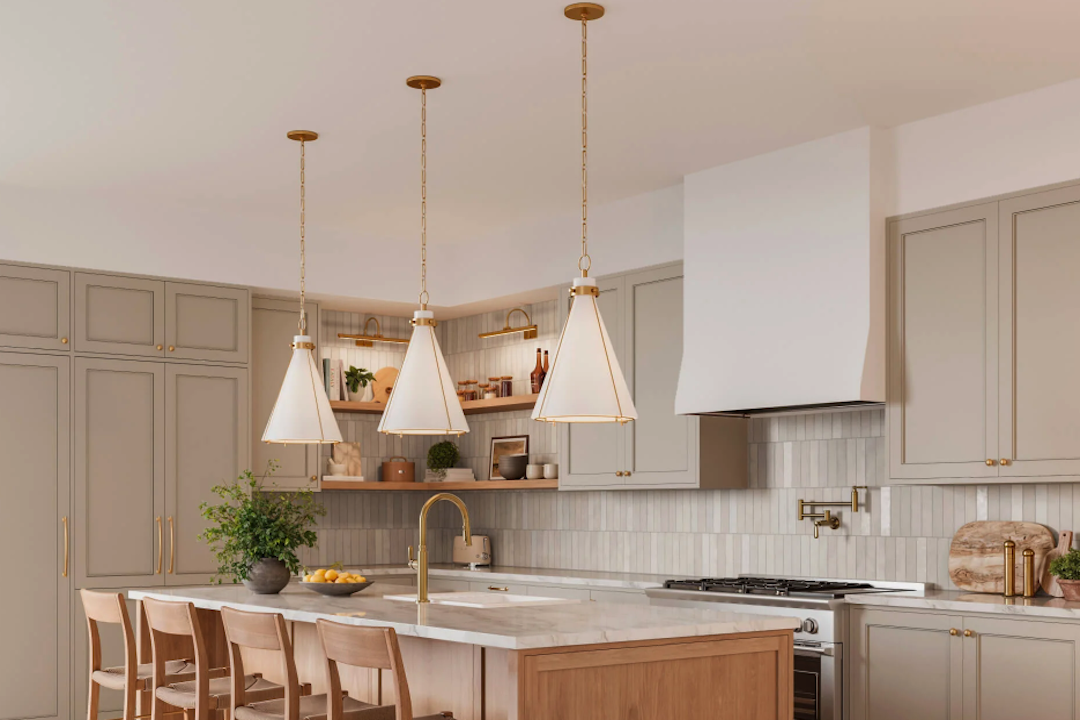
- Pairs of Pendants: Two pendants are a very common and aesthetically pleasing arrangement for most standard-sized bars, often placed equidistant from the ends.
- Triplets or More: Longer bars can accommodate three or more pendants, creating a more dramatic and expansive lighting effect. When using multiple pendants, ensure adequate spacing to avoid a cluttered look and to allow for effective illumination.
The arrangement of pendants is like orchestrating a choir; each voice contributes to the overall harmony, and their spacing dictates the rhythm and flow of the space.
Adjustability Range
The degree of adjustability needed will dictate the type of suspension mechanism to consider.
Matching Mechanism to Need
- Minimal Adjustment: If you have a standard ceiling height and a clear idea of the desired drop length, simple cord adjustment mechanisms might suffice.
- Significant Height Variation: For rooms with very high ceilings or if you anticipate needing to change illumination levels and heights frequently (e.g., for parties versus quiet evenings), a pulley system or telescopic rod with a wider adjustment range is beneficial.
- Flexibility for Future: Consider if future renovations or changes in furniture arrangement might necessitate repositioning the lights. A more adaptable system offers greater long-term utility.
The adjustability of the pendant is its secret weapon, its ability to adapt to the ever-changing needs of the kitchen. It’s the fixture’s chameleon-like quality, allowing it to become what the moment requires.
Light Quality and Direction
The type of light produced and how it is directed are critical for both task functionality and ambiance.
Optimizing Luminescence
- Task Lighting Needs: For areas where food preparation or detailed tasks occur, focused downward-facing light is essential. Consider shades that are open at the bottom or have directional diffusers.
- Ambient Lighting Goals: If the primary goal is to create a warm, inviting atmosphere, consider shades that diffuse light more broadly or allow for upward illumination.
- Color Temperature Preferences: As discussed, the Kelvin rating of the bulb is crucial. Warmer tones (2700K-3000K) are generally preferred for social areas like kitchen bars, while cooler tones can be useful for purely functional task lighting if a separate circuit is employed.
- Dimmability Feature: The ability to dim the lights is highly recommended for kitchen bars. It allows for a transition from bright task lighting to a soft, ambient glow, adapting the mood to suit the occasion.
The quality of light is not just about brightness; it’s about how it feels, how it affects the colors in the room, and the mood it cultivates.
Installation and Maintenance of Brass Pendant Lights
Proper installation is paramount for the safe and optimal performance of any lighting fixture. Brass pendant lights, while aesthetically pleasing, also require specific care to maintain their luster.
Installation Process
The installation of adjustable brass pendant lights typically involves electrical work and therefore should be undertaken by a qualified electrician if you are not experienced in such tasks.
Key Steps and Considerations
- Safety First: Always turn off the power to the circuit at the breaker box before beginning any electrical work. Verify that the power is indeed off using a voltage tester.
- Mounting Bracket: Most pendant lights come with a mounting bracket that attaches to the electrical box in the ceiling. Ensure this bracket is securely fastened.
- Wiring: Connect the wires from the pendant light to the corresponding wires in the electrical box (typically black to black, white to white, and ground to ground). Wire nuts are commonly used to secure these connections.
- Adjusting the Drop: Follow the manufacturer’s instructions for adjusting the pendant’s height using the chosen suspension mechanism (cord, rod, pulley). Ensure any locking mechanisms are secure.
- Attaching the Canopy/Shade: Once the wiring is complete and the shade is adjusted, attach the canopy to the mounting bracket, covering the electrical connections. Then, attach the pendant shade itself.
- Installing the Bulb: Screw in the appropriate light bulb, ensuring it is not in direct contact with the shade material if it’s a high-heat bulb (though LED bulbs generate minimal heat).
- Restoring Power and Testing: Turn the power back on at the breaker box and test the light switch and dimmer if applicable.
Professional Installation Benefits
Electing to hire a professional electrician ensures that the installation is performed safely and correctly, adhering to local building codes. This can prevent potential hazards such as electrical shorts, fires, or the fixture falling.
Cleaning and Care
Brass, especially in its polished form, can tarnish over time if not properly maintained. Regular cleaning will preserve its attractive appearance.
Preserving the Brass Finish
- Regular Dusting: Use a soft, dry microfiber cloth to gently dust the pendant regularly. This prevents the build-up of grime, which can lead to tarnishing.
- Cleaning Polished Brass: For polished brass, use a soft cloth dampened with a mild soap and water solution. Dry immediately with a clean, dry cloth to prevent water spots. For more stubborn tarnish, a commercial brass cleaner can be used, following the product’s instructions carefully. Test any cleaner on an inconspicuous area first.
- Cleaning Brushed or Antique Brass: These finishes are generally more forgiving. Dusting is often sufficient. If cleaning is necessary, use a slightly damp cloth and dry thoroughly. Avoid abrasive cleaners or polishes that could alter the intended patina.
- Avoid Harsh Chemicals: Never use abrasive scouring pads, ammonia-based cleaners, or harsh chemicals on brass finishes, as they can damage the surface and remove the protective coating or patina.
- Hardware Checks: Periodically check that the suspension mechanism and any visible screws or connections are secure.
The care of a brass pendant is akin to tending to a prized piece of art. Gentle, consistent attention ensures its enduring beauty and functionality.
Lighting Design Principles for Kitchen Bars
Illuminating a kitchen bar effectively involves integrating different types of lighting to create a layered, functional, and aesthetically pleasing environment. Adjustable brass pendant lights play a key role in this overall lighting scheme.
Layered Lighting Approach
A well-designed kitchen lighting plan typically incorporates three layers of light: ambient, task, and accent lighting.
Harmony of Illumination Types
- Ambient Lighting: This is the general, overall illumination of the kitchen. It can be provided by ceiling lights (recessed cans, flush mounts) or larger chandeliers. Adjustable brass pendants, when hung higher or with wider shades, can contribute to ambient light.
- Task Lighting: This is focused light designed for specific activities, such as chopping vegetables, reading, or, in this case, preparing drinks at the bar. Adjustable brass pendants are ideally suited for task lighting over a kitchen bar due to their directional capabilities and the ability to position them precisely.
- Accent Lighting: This is used to highlight specific features or create visual interest, such as under-cabinet lighting, in-cabinet lighting, or spotlights on artwork. While not the primary role of a pendant, a particularly striking pendant can itself act as an accent.
By layering these types of light, you create a dynamic and functional space. The pendant acts as a crucial element within this framework.
Illuminating the Bar Area Effectively
The specific needs of a kitchen bar dictate the type and placement of lighting.
Practical Considerations for Bar Illumination
- Preventing Shadows: The most critical aspect of bar lighting is ensuring sufficient illumination on the countertop to eliminate shadows, especially when preparing drinks or food. Adjustable pendants are excellent for this.
- Creating Ambiance: Beyond functionality, the lighting should create a welcoming atmosphere for guests and residents. The warm glow of brass pendants is conducive to a relaxed social setting. Dimmability is key here, allowing the light to transition from bright to soft.
- Highlighting Bar Features: If the bar has decorative elements, such as a unique countertop material or built-in features, accent lighting might be incorporated. Pendant lights can also draw attention to the bar itself as a design feature.
- Avoiding Glare: Position pendants to minimize direct glare from the light source, especially on reflective surfaces. The angle and depth of the shade, as well as the adjustability of the pendant, can help mitigate this.
The bar is often a hub of activity and a social nucleus. Its illumination should reflect thisdual purpose – functional for tasks and inviting for conversation, like a hearth in the modern home.
The Role of Color Temperature and Brightness
The choice of bulb and the fixture’s design significantly affect the color temperature and brightness, impacting the overall mood.
Fine-Tuning the Luminescence
- Warm vs. Cool Light: As previously mentioned, a warmer color temperature (around 2700K-3000K) generally creates a cozier, more inviting atmosphere suitable for social gatherings at the bar. Cooler temperatures (above 4000K) can feel more sterile and are better suited for purely task-oriented areas.
- Brightness Levels: The required brightness will depend on the size of the bar, the ambient light levels, and the intended use. Dimmable LEDs offer the most flexibility, allowing adjustments from bright task lighting to a subtle mood-setting glow.
- Bulb Type Considerations: LEDs are recommended for their energy efficiency, longevity, and the wide variety of color temperatures and dimming capabilities available.
The interplay of color temperature and brightness is like a painter’s control over the saturation and hue of their canvas, subtly influencing perception and emotion.
Aesthetic Integration and Design Impact
Adjustable brass pendant lights are more than just functional objects; they are design elements that can profoundly influence the aesthetic character of a kitchen bar. Their material, form, and light quality contribute to the overall visual narrative of the space.
Brass as a Design Material
Brass has a long history in decorative arts and interior design, bringing with it a sense of established elegance, warmth, and a touch of luxury.
The Allure of Brass
- Timeless Appeal: Unlike trends that fade, the inherent warmth and glow of brass have a timeless quality. It has transitioned through various design eras, retaining its appeal.
- Warm Undertones: The golden hues of brass introduce a sense of warmth and welcome. This is particularly effective in kitchen environments, which are often seen as the heart of the home.
- Versatility in Finishes: The range of brass finishes—from the high shine of polished brass to the muted tones of antique brass and the textured feel of hammered brass—allows for adaptation to diverse design styles. Each finish offers a different personality, like distinct chapters in a story.
- Reflective Qualities: Brass surfaces reflect light, both natural and artificial. This can enhance the brightness of a space and contribute to a feeling of opulence and depth.
The material itself acts as a conductor of light and warmth, imbuing the space with character.
The Pendant as a Sculptural Element
Beyond its practical function, a well-designed pendant light can serve as a sculptural focal point, enhancing the visual interest of the kitchen bar.
Form Follows Function, and Beauty
- Defining the Space: The presence of pendant lights visually anchors the kitchen bar, delineating it as a distinct zone within the larger kitchen area.
- Adding Vertical Interest: Hanging pendants draw the eye upwards, adding a vertical dimension to the design. This can make a kitchen feel more expansive and visually dynamic.
- Silhouette and Shape: The shape of the pendant shade—whether it’s a classic dome, a modern geometric form, or an industrial bell—contributes significantly to the overall aesthetic. These shapes can either blend harmoniously with existing décor or serve as a deliberate, eye-catching statement.
- Clustering for Impact: Arranging multiple pendants in a row or a cluster can create a dramatic visual effect. This is akin to a curated art installation, where individual pieces work together to create a powerful statement.
The pendant light is not merely a functional fixture; it is an opportunity to introduce a piece of art into the kitchen. It’s the crown jewel that draws attention and elevates the entire ensemble.
Harmonizing with Kitchen Décor
The success of an adjustable brass pendant light lies in its ability to complement and enhance the existing kitchen décor, rather than clash with it.
Seamless Integration
- Color Palette Synergy: The warm tones of brass can harmonize with a wide range of kitchen color schemes. It can provide a grounding element against cooler tones or add a touch of warmth to warmer palettes.
- Style Congruence: As discussed, brass pendants can adapt to various styles—traditional, modern, industrial, farmhouse. The key is to select a finish and shade shape that aligns with the overarching design theme. For instance, polished brass might suit a more formal space, while brushed brass could fit a transitional kitchen.
- Material Contrast and Complement: Brass can be effectively paired with other materials found in the kitchen, such as wood countertops, stone backsplashes, or stainless-steel appliances. The interplay of textures and finishes can create a rich and inviting aesthetic.
The ultimate goal is for the adjustable brass pendant light to feel like an integrated part of the kitchen’s design story, rather than an afterthought. It should be a piece that enhances, rather than detracts, from the home’s overall coherence.