
Stylish Multi-Pendant Cluster for Your Dining Table
A multi-pendant cluster, often referred to as a cluster pendant light, is a lighting fixture comprising multiple individual pendant lights suspended from a single ceiling canopy. This design allows for a concentration of light and a varied aesthetic, diverging from the uniform illumination of a single large fixture or recessed lighting. When positioned above a dining table, these clusters serve functional and decorative purposes, shaping the ambiance and visual focus of the space.
The core of a multi-pendant cluster lies in its assembly of individual pendants. These can vary significantly in their form, material, and light Mosundesign source, contributing to the overall character of the fixture.
Canopy and Suspension
The canopy, the fixture’s attachment point to the ceiling, houses the electrical connections and acts as the anchor for the pendants. Canopies can be round, rectangular, or irregular, depending on the desired aesthetic and the arrangement of the pendants. Suspension mechanisms typically involve electrical cables, which can be sheathed in various materials like fabric, metal, or clear plastic. The length of these cables is often adjustable, allowing for customization of the drop height for each individual pendant. This adjustability is crucial for creating visual interest and ensuring proper illumination relative to the dining surface.
Pendant Shades and Diffusers
Pendant shades, the outer casings of the individual lights, play a significant role in light diffusion and aesthetic appeal. Materials commonly include glass (clear, frosted, seeded, or colored), metal (steel, brass, copper, aluminum), fabric, and sometimes natural materials like wood or rattan. The form of these shades can range from simple geometric shapes (spheres, cylinders, cones) to more intricate or organic designs. Diffusers, often integrated within the shade or as a separate component, help to soften the light and reduce glare.
Light Sources
Historically, incandescent bulbs were standard. However, contemporary designs predominantly utilize LED (Light Emitting Diode) technology due to its energy efficiency, longevity, and versatility. LED bulbs are available in various color temperatures, from warm white to cool white, influencing the mood of the dining area. Dimmable LEDs are particularly advantageous, enabling precise control over the light intensity to match different dining occasions. The type of bulb chosen, whether exposed or concealed within a shade, also contributes to the fixture’s overall visual signature.
Functional Considerations
Beyond aesthetics, the functionality of a multi-pendant cluster above a dining table is paramount. Effective lighting contributes to the usability and comfort of the dining space.
Illumination and Light Distribution
The primary function of any dining room light is to illuminate the table surface adequately. A multi-pendant cluster, by virtue of its multiple light sources, can achieve a more even distribution of light across the table compared to a single, centrally located fixture. The number and spacing of the pendants influence this distribution. A cluster with fewer, more widely spaced pendants might create distinct pools of light, while a denser cluster could offer a more uniform spread. The downward projection of light is crucial for visibility of food and diners’ faces without creating harsh shadows.
Dimmability
Dimmable lighting is a key feature for dining areas. The ability to adjust the light intensity allows for transitions from bright, task-oriented lighting during meal preparation or family dinners to softer, mood lighting for more intimate gatherings. This versatility enhances the dining experience, adapting the environment to various social contexts. Dimmer switches, whether rotary, slide, or touch-sensitive, provide this control.
Glare Control
Direct or reflected glare can be disruptive and uncomfortable. The design of pendant shades and the positioning of bulbs are critical in mitigating glare. Frosted or diffused glass shades, or shades with an internal reflector, help to soften light output. The height at which pendants are suspended also impacts glare; positioning them too low can cause direct light to enter the eyes of seated diners, while too high may reduce their effectiveness. The recommended height typically places the bottom of the lowest pendant approximately 30-36 inches above the tabletop, though this can vary based on pendant size and ceiling height.
Energy Efficiency
With increasing awareness of environmental impact and energy costs, the energy efficiency of lighting fixtures is a significant consideration. LED technology, as mentioned, offers substantial advantages in this regard, consuming significantly less power than traditional incandescent or halogen bulbs. Selecting fixtures designed for LED compatibility or those supplied with integrated LEDs contributes to a more sustainable and cost-effective lighting solution.
Aesthetic Impact and Placement
The visual impact of a multi-pendant cluster extends beyond mere illumination. It acts as a focal point, drawing the eye and contributing to the overall design narrative of the dining area.
Visual Weight and Scale
The size and number of pendants, as well as their arrangement, contribute to the visual weight of the fixture. A dense cluster of many small pendants can have a different visual effect than a sparse arrangement of larger pendants. The scale of the fixture should be proportionate to the dining table below it. A cluster that is too small might appear insignificant, while one that is overly large could overwhelm the space. A common guideline suggests the fixture’s width should be about two-thirds to three-quarters the width of the table.
Materiality and Finish
The materials and finishes of the pendants significantly influence the aesthetic. Metal finishes like polished chrome, brushed nickel, oil-rubbed bronze, or matte black can evoke different design styles, from modern and industrial to traditional and rustic. Glass, in its various forms, offers transparency or translucency, impacting how light interacts with the space. Fabric shades can introduce warmth and texture. The material choices should harmonize with other elements in the dining room, such as furniture, wall treatments, and existing décor.
Spatial Arrangement
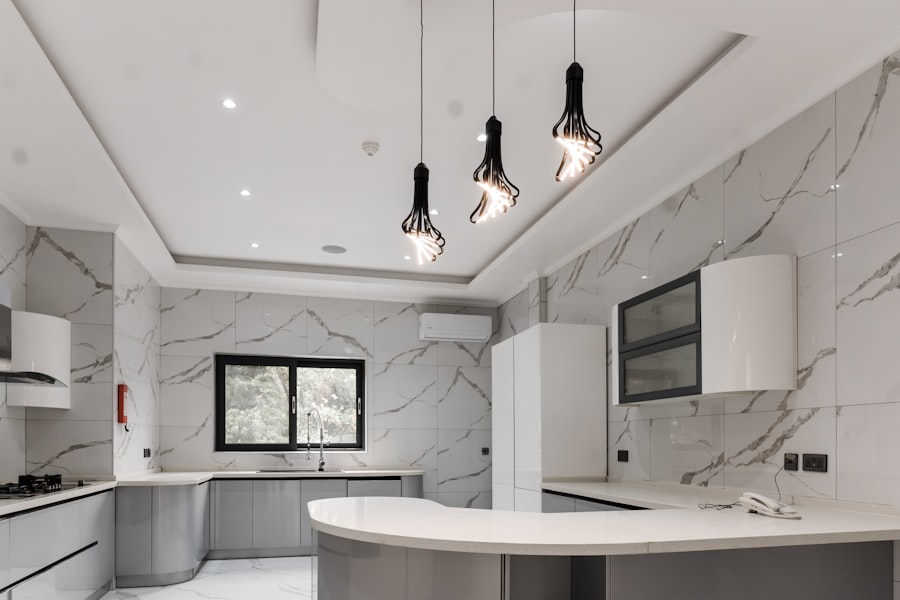
The arrangement of the individual pendants within the cluster can be rigid and linear, or more organic and free-flowing. A linear arrangement often suits rectangular tables, mimicking their form. A more clustered or spiral arrangement can be effective over round or square tables, creating a central focal point. The staggered heights of individual pendants within a cluster add a dynamic quality, preventing the arrangement from appearing static. This creates a sculptural element, a “constellation of light” that differentiates it from a single, flat light source.
Design Styles and Integration
Multi-pendant clusters are adaptable to a wide range of interior design styles.
- Modern/Minimalist: Often characterized by sleek lines, geometric shapes, and monochromatic palettes, using materials like chrome, matte black, or clear glass.
- Industrial: Features exposed bulbs, metal cages, darker finishes, and materials like aged brass or steel, mimicking factory lighting.
- Bohemian: Incorporates natural materials like rattan or wood, often with textural elements and irregular forms.
- Mid-Century Modern: Embraces clean lines, organic shapes, and often utilizes colored glass or polished metals.
- Contemporary: A broader category that can blend elements from various styles, often featuring innovative designs and new materials.
The choice of cluster should align with the overarching design theme of your dining room, acting as a cohesive element rather than an outlier. It should complement, not compete with, other significant design features.
Installation and Maintenance
Proper installation and routine maintenance are crucial for the safe and enduring performance of your multi-pendant cluster.
Safety and Electrical Considerations
Installation should ideally be performed by a qualified electrician. This ensures compliance with local electrical codes and mitigates safety risks associated with improper wiring. The ceiling junction box must be adequately braced to support the weight of the fixture, especially for heavier clusters. It is imperative to switch off power at the circuit breaker before commencing any installation work.
Adjusting Pendant Height
Many multi-pendant clusters offer adjustable cable lengths. This allows for fine-tuning the individual pendant heights to create the desired aesthetic and optimize light distribution. After installation, standing back and observing the fixture from different vantage points helps in achieving the ideal arrangement. Adjustments often involve a mechanism within the canopy or at the pendant’s connection point to the cable.
Cleaning and Care
Regular cleaning maintains the aesthetic appeal and light output of the fixture. The cleaning method will vary based on the materials of the pendants and canopy.
- Glass shades: Can be wiped with a soft, damp cloth and then dried to prevent water spots. For intricate or textured glass, a microfiber cloth can reach crevices.
- Metal finishes: Dry dusting is usually sufficient. For smudges, a slightly damp cloth with a mild, non-abrasive cleaner (if specified by the manufacturer) can be used, followed by drying. Avoid harsh chemicals that can damage finishes.
- Fabric shades: Can be gently vacuumed with a brush attachment or spot-cleaned with a fabric cleaner following manufacturer instructions.
Before any cleaning, ensure the light fixture is switched off and cool.
Bulb Replacement
For fixtures using removable bulbs, replacement involves matching the bulb type (e.g., E26, GU10), wattage equivalence (for LED replacements), and color temperature. LED bulbs have significantly longer lifespans than traditional bulbs, reducing the frequency of replacement. When replacing bulbs, ensure the power is off and the fixture is cool to the touch to prevent burns.
Trend and Innovation
The lighting industry continuously evolves, and multi-pendant clusters are no exception, adapting to new technologies and design philosophies.
Smart Lighting Integration
The integration of smart lighting technology is a notable trend. This allows for control via smartphone apps, voice commands, or integration into wider home automation systems. Features can include programmed dimming schedules, color temperature adjustment (tunable white), and even changes in light color (RGBW). This offers unparalleled flexibility in creating bespoke lighting environments.
Modular Designs
Some manufacturers are exploring modular multi-pendant systems, where individuals can select and arrange pendants from a catalog of options to create a truly customized cluster. This approach empowers consumers to design a fixture that perfectly aligns with their aesthetic preferences and functional needs. These systems offer a level of personalization that conventional fixtures do not, acting as a “lighting toolkit” for bespoke illumination.
Sustainable Practices
An increasing focus on sustainability influences design and manufacturing. This includes using recycled or sustainably sourced materials, designing for longevity and repairability, and further enhancing the energy efficiency of LED components. Consumers are increasingly seeking out products with a transparent environmental footprint.
Artistic and Sculptural Forms
Beyond mere illumination, multi-pendant clusters are increasingly being designed as art pieces, serving as sculptural focal points even when unlit. This involves more complex arrangements, unique pendant shapes, and the integration of diverse materials. These fixtures transcend their utilitarian role to become statement pieces, akin to a “suspended light sculpture” that anchors the room.
A multi-pendant cluster for your dining table is more than just a light source; it is a design element that shapes the functionality and atmosphere of a crucial living space. Careful consideration of its design, functional attributes, and how it integrates with your existing décor will ensure it serves as a lasting and appreciated addition to your home.