

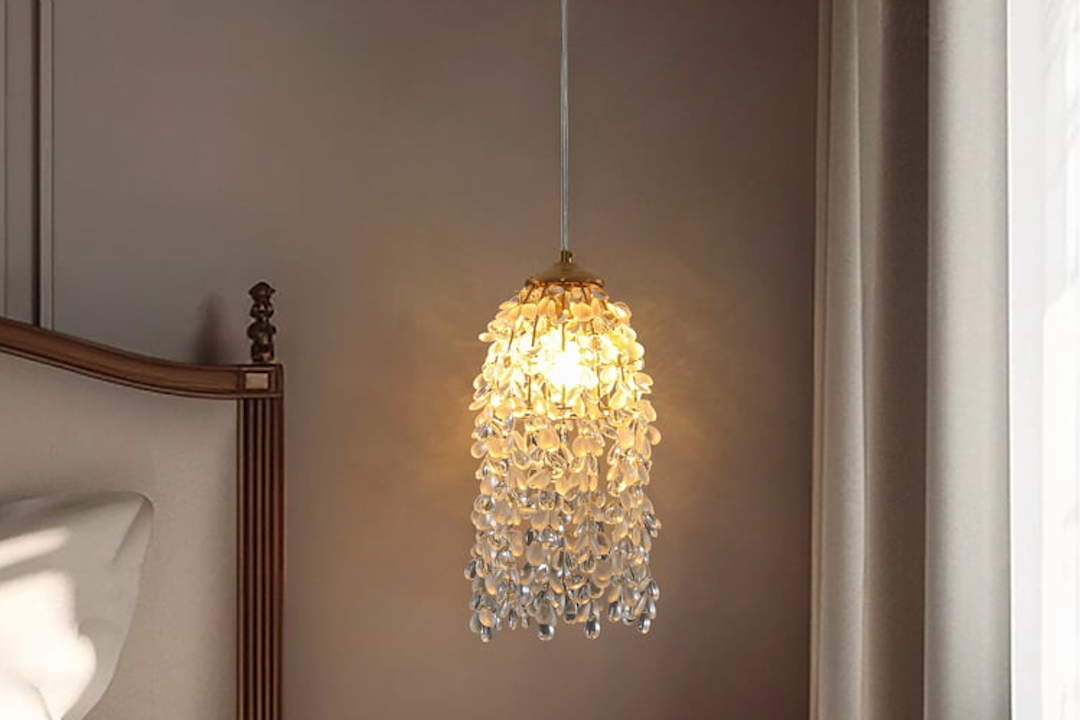
Elegant Illumination with Crystal Drop Pendant Light
The crystal drop pendant light, a fixture of suspended illumination, is a design element that integrates both functional lighting and decorative aesthetics. These luminaires, characterized by their use of crystal components, manipulate light through refraction and reflection, producing various visual effects. This article will explore the historical development, construction, operational principles, stylistic variations, and practical considerations of these lighting fixtures, providing a comprehensive understanding of their place within interior design and their functional attributes.
The use of crystal in decorative objects predates modern lighting. Glass, particularly leaded glass, has been sculpted and faceted for centuries, valued for its ability to enhance visual appeal. Early chandeliers, often found in aristocratic residences and public buildings, incorporated cut glass to amplify the light Acorohome output of candles. These progenitors, while not pendant lights in the modern sense, established the precedent for integrating multifaceted glass elements into lighting fixtures.
Early Glasswork and Chandeliers
The Venetian glassmakers, renowned for their craftsmanship, were among the first to develop techniques for creating intricate glass components. By the 17th century, the demand for elaborate lighting fixtures grew, leading to the incorporation of increasingly complex glass forms. These early fixtures, often grand and multi-tiered, utilized the nascent understanding of optics to distribute and enhance visible light. The introduction of leaded glass, or crystal, which possesses a higher refractive index than common glass, further intensified these effects.
The Advent of Electric Lighting
The late 19th and early 20th centuries marked a pivotal shift with the widespread adoption of electric lighting. This innovation allowed for smaller, more diverse lighting configurations, moving beyond the physical constraints of open flames. The pendant light, a single fixture suspended from the ceiling, emerged as a practical and versatile option. Crystal elements, previously limited to large chandeliers, were adapted to these newer, more compact forms. This transition allowed for the integration of crystal aesthetics into a broader range of interior spaces, including residential environments.
Modern Design and Manufacturing
Contemporary crystal drop pendant lights benefit from advancements in materials science and manufacturing processes. Precision cutting techniques and specialized coatings allow for a greater diversity of crystal shapes and optical properties. The integration of LED technology has further refined these fixtures, offering improved energy efficiency and longevity, while maintaining or enhancing their aesthetic appeal. Design trends have also evolved, moving from purely ornate styles to minimalist interpretations that emphasize the intrinsic properties of the crystal.
Construction and Materials
The construction of a crystal drop pendant light involves several key components, each contributing to its overall function and appearance. Understanding these elements is essential for appreciating the engineering and design considerations involved.
Crystal Components
The defining feature of these lights is the crystal itself. Historically, crystal referred to leaded glass, which contains lead oxide to increase its refractive index and brilliance. Modern “crystal” often includes various types of high-quality glass, including lead-free options, that achieve similar optical characteristics through precise cutting and polishing.
- Lead Crystal: Traditionally, this refers to glass containing at least 24% lead oxide. The lead content contributes to the material’s weight, sparkle, and ability to be cut into intricate facets.
- K9 Crystal: A type of optically clear borosilicate crown glass, often used as a lead-free alternative. It shares similar refractive properties with lead crystal and is increasingly common in contemporary fixtures due to its environmental considerations and comparable aesthetic.
- Murano Glass: While not exclusively crystal, Murano glass, particularly when faceted, can be incorporated into pendant designs, offering unique colors and artisanal qualities.
The shape and cut of the crystal drops are critical. Common cuts include prisms, spheres, ovals, and teardrops, each interacting with light differently. The number and arrangement of facets determine how light is captured, refracted, and dispersed.
Fixture Frame and Suspension
The crystal drops are typically suspended from a metal frame. This frame provides structural support, houses the electrical components, and contributes to the fixture’s overall aesthetic.
- Metals: Common materials for the frame include brass, chrome, brushed nickel, bronze, and steel. The choice of metal influences the fixture’s visual temperature and complements surrounding décor. Finishes can range from highly polished to matte or antique.
- Suspension: The fixture is suspended from the ceiling by a rod, chain, or cable. The choice of suspension method often depends on the fixture’s size, weight, and desired aesthetic. Rods offer a more rigid, contemporary look, while chains provide a classic, adjustable option. Cables offer a minimalist, almost invisible suspension.
Light Source
The light source is integral to the fixture’s operation, illuminating the crystal elements and providing ambient or task lighting.
- Incandescent Bulbs: Historically, these were the standard. While offering a warm light, their energy inefficiency and short lifespan have led to their decline in favor of more modern alternatives.
- Halogen Bulbs: A more efficient incandescent variant, offering brighter light and a longer lifespan than traditional incandescent.
- LEDs (Light Emitting Diodes): The predominant light source in modern crystal pendant lights. LEDs are highly energy-efficient, have a long operational lifespan, and come in various color temperatures (from warm white to cool white). Their compact size allows for innovative fixture designs that were not possible with larger bulb types. Some fixtures employ integrated LED arrays, where the light source is built into the fixture itself, rather than using replaceable bulbs.
Operational Principles
The aesthetic and functional appeal of a crystal drop pendant light stems from the physical principles of light interaction with crystalline structures. These principles are what give the fixture its distinctive “sparkle” and luminosity.
Refraction
Refraction is the bending of light as it passes from one medium to another. Crystal, with its higher refractive index compared to air, causes light to bend significantly upon entering and exiting its facets. This bending separates white light into its constituent spectral colors, similar to a prism. The angled surfaces of the crystal drops are precisely engineered to maximize this effect, creating a rainbow of hues.
Reflection
Reflection plays an equally important role. When light strikes the surface of a crystal, a portion of it bounces back. The numerous facets of a crystal drop act as tiny mirrors, reflecting light multiple times within the crystal itself and outwards into the room. This internal and external reflection contributes to the crystal’s perceived depth and intensity of light. The phenomenon of total internal reflection can occur when light strikes a crystal surface at a sufficiently steep angle, trapping light within the crystal and enhancing its brilliance.
Dispersion
Dispersion is the phenomenon where different wavelengths of light (colors) travel at slightly different speeds through a medium, causing them to separate. Crystal, due to its optical properties, exhibits significant dispersion. This is why white light passing through a faceted crystal is often broken down into its spectrum, generating vibrant, prismatic effects on surrounding surfaces. The degree of dispersion varies with the type of crystal and its cut.
Illumination Distribution
Crystal drop pendant lights typically produce a unique distribution of light. While the primary light source emits illumination, the crystal elements diffuse and redirect it. This can result in:
- Ambient Lighting: The overall glow created by the fixture, providing general illumination to the space.
- Decorative Lighting: The intricate patterns of light and color cast onto walls and ceilings, which are a signature characteristic of these fixtures. These patterns are dynamic, changing with the angle of observation and the surrounding light conditions.
- Task Lighting (Limited): In some cases, if positioned strategically (e.g., above a small table), a pendant light can provide some focused task lighting, but this is generally not their primary function.
The combination of refraction, reflection, and dispersion creates the distinctive “sparkle” and visual dynamism associated with crystal drop pendant lights. The quality of the crystal cut and polish directly impacts the clarity and intensity of these optical effects.
Stylistic Variations and Design Considerations
The diverse range of crystal drop pendant lights allows them to seamlessly integrate into various interior design schemes. Their versatility stems from variations in material finishes, crystal forms, and overall structural design.
Modern and Contemporary Styles
Modern and contemporary crystal pendant lights often feature streamlined designs and minimalist aesthetics. These fixtures prioritize clean lines, geometric shapes, and a reduction of ornate detailing.
- Geometric Forms: Crystals are often arranged in precise geometric patterns, such as spheres, cubes, or abstract sculptural forms. The crystal drops themselves might be elongated rods or crisp facets.
- Sleek Finishes: Polished chrome, brushed nickel, or matte black are common finishes for the metalwork, complementing the starkness of the geometric crystals.
- Integrated LEDs: Many contemporary designs incorporate integrated LED arrays, allowing for a more compact and seamless integration of light source within the crystal structure.
- Cluster Pendants: Multiple individual crystal pendants of varying heights grouped together, creating a sculptural focal point.
Traditional and Classic Styles
Traditional crystal pendant lights often draw inspiration from historical designs, emphasizing craftsmanship and intricate detailing. These fixtures tend to evoke a sense of grandeur and timeless elegance.
- Tiered Structures: Some designs feature multiple tiers of crystal drops, mimicking the structure of traditional chandeliers but in a more compact pendant form.
- Ornate Metalwork: Brass, bronze, or antique gold finishes are frequently used, often with decorative embellishments or filigree.
- Tear-Drop and Pear-Shaped Crystals: These classic crystal forms are prevalent, designed to maximize sparkle.
- Candle-Style Bulbs: While often replaced by LED equivalents, the aesthetic of candle-shaped bulbs is sometimes preserved to maintain a nostalgic feel.
Transitional Styles
Transitional designs blend elements of both traditional and modern aesthetics, offering a balanced and adaptable look. These fixtures can bridge different design eras, making them suitable for a wide range of interiors.
- Simplified Classic Forms: They may feature traditional crystal shapes but with a less ornate metal frame.
- Neutral Finishes: Brushed nickel or satin brass are common finishes that are neither aggressively modern nor overtly antique.
- Clean yet Detailed: The design maintains clean lines but may incorporate subtle decorative elements that provide visual interest without becoming overly elaborate.
Art Deco and Eclectic Influences
Some crystal drop pendant lights are influenced by specific art movements or eclectic styles, offering unique visual statements.
- Art Deco: Characterized by geometric forms, stepped designs, and often a combination of clear and colored crystal. Chrome and black accents are common.
- Organic Forms: Less common, but some designs incorporate crystal elements that mimic natural shapes or fluid lines, breaking away from strict geometry.
When selecting a crystal drop pendant light, consider the existing architectural style of the space, the furniture, and other decorative elements to ensure cohesion. The fixture should act as an accent, not an outlier.
Practical Considerations and Installation
Beyond aesthetics, several practical aspects must be considered when choosing and installing a crystal drop pendant light. These factors relate to functionality, safety, and long-term maintenance.
Sizing and Placement
The size of the pendant light relative to the room is crucial. An undersized fixture can appear lost, while an oversized one can dominate the space.
- Dining Areas: Suspend the pendant approximately 30-36 inches (76-91 cm) above the dining table to prevent obstruction of views and ensure adequate illumination. The width of the fixture should ideally be one-half to two-thirds the width of the table.
- Kitchen Islands: Similar height guidelines apply. For larger islands, multiple smaller pendants or a linear pendant with multiple crystal drops may be more appropriate than a single large fixture.
- Entryways and Foyers: The bottom of the fixture should be at least 7 feet (2.1 meters) from the floor to allow for comfortable passage.
- Bedside Lighting: Smaller pendants can replace traditional table lamps, freeing up nightstand space. Hung around 15-20 inches (38-51 cm) above the nightstand surface.
Lumen Output and Dimming Capabilities
The amount of light produced (lumens) should align with the functional requirements of the room. Crystal pendants are often chosen for their decorative light effects, but they also contribute to ambient illumination.
- Dimmability: Many crystal pendant lights are compatible with dimmer switches. This allows for adjustment of light intensity, creating different moods and adapting to various activities. Dimmable LEDs are a preferred choice for their efficiency and control.
- Color Temperature: The color temperature of the light source (measured in Kelvin) affects the overall ambiance. Warm white (2700K-3000K) typically creates a cozy, inviting atmosphere, while cooler white (3500K-5000K) can feel more modern and task-oriented.
Installation Requirements
Professional installation is often recommended for crystal drop pendant lights, especially those that are heavy or require intricate wiring.
- Junction Box: The fixture must be securely mounted to an electrical junction box in the ceiling. The box must be rated to support the weight of the fixture.
- Wiring: Proper electrical wiring, grounding, and connection are essential for safety and optimal performance.
- Weight: Crystal fixtures can be heavy. Ensure the ceiling joists or framing can adequately support the weight.
- Height Adjustment: Most pendant lights offer adjustable suspension height, allowing for customization during installation.
Maintenance and Cleaning
To maintain the brilliance of a crystal drop pendant light, regular cleaning is necessary. Dust and grime can accumulate on the crystal and metal components, diminishing their sparkle.
- Dusting: Gentle dusting with a soft cloth or a specialized duster is recommended weekly or bi-weekly.
- Deep Cleaning: For a more thorough cleaning, the crystal drops may need to be carefully removed and washed in a mild soap solution, rinsed with distilled water, and dried with a lint-free cloth. Specialized crystal cleaning sprays are also available. Ensure the fixture is de-energized before any cleaning.
- Metal Finishes: Clean metal components according to the manufacturer’s instructions, using appropriate cleaners for the specific finish to avoid damage.
By considering these practical aspects, you can ensure that your crystal drop pendant light not only enhances the aesthetic of your space but also functions safely and effectively for years to come. The interplay of its carefully crafted components, guided by the immutable laws of physics, transforms mere light into a dynamic visual experience.