
Scandinavian Style: Wood Panel Ceiling Light Home Interior
You’re looking to bring that warm, inviting Scandinavian feel into your home, and wood panel ceiling lights are a fantastic way to do it. Essentially, we’re talking about lighting fixtures that are either integrated into a wood panel ceiling, or light fixtures made from wood that complement a wood panel ceiling. It’s all about creating a cohesive, natural, and well-lit space that embodies the Nordic aesthetic – think functionality, simplicity, and a strong connection to nature.
The Scandinavian design philosophy, often referred to as Nordic style, isn’t just about aesthetics; it’s deeply rooted in practicality, a love for natural materials, and the need to combat long, dark winters. Wood panel ceilings are a natural fit for this style for several key reasons.
Bringing Nature Indoors
Scandinavians have a profound respect for their natural environment. Using materials like wood, wool, and linen isn’t just a trend; it’s a way of life. Wood panel ceilings instantly connect your home to the outdoors, creating a sense of calm and well-being. It’s an embrace of organic textures and tones that make a space feel grounded and less sterile.
Warmth and Coziness (Hyggeligt!)
The concept of “Hygge” (Danish) or “Koselig” (Norwegian) is central to Scandinavian living. It’s about creating an atmosphere of comfort, coziness, and contentment. Wood, by its very nature, is a warm material. When used on the ceiling, it acts as a visual insulator, making a room feel more inviting and snug, especially when paired with soft lighting Ilonalighting. This warmth is psychological as much as it is physical, offering a feeling of security and homeliness.
Acoustic Benefits
Felt or wood paneling isn’t just for looks. It also has practical acoustic benefits. Hard surfaces can make a room echo and feel cold. Wood, particularly when combined with proper insulation behind the panels, can help absorb sound, leading to a quieter, more peaceful environment. This is especially valuable in open-plan living areas where sound can easily travel.
Timeless Appeal and Durability
Unlike fleeting trends, wood ceilings have been around for centuries and continue to be relevant. They offer a classic appeal that transcends temporary fads. When properly installed and maintained, wood panels are incredibly durable and can last for decades, often developing a beautiful patina over time that adds character to your home. This longevity aligns with the Scandinavian value of investing in quality pieces that stand the test of time.
Choosing the Right Wood and Finish
The type of wood and its finish play a crucial role in achieving that perfect Scandinavian look. It’s not a one-size-fits-all situation; your choices will influence the overall feel and light reflection of your room.
Popular Wood Choices
For a true Scandinavian aesthetic, lighter woods are generally preferred. They reflect light better and contribute to an airy feel, which is essential in regions with limited daylight.
Light-Toned Woods
- Birch: Known for its fine grain and light, almost white appearance, birch is a classic Scandinavian choice. It offers a subtle texture that doesn’t overpower the space.
- Ash: Similar to oak but often lighter in color, ash has a prominent, beautiful grain. It’s durable and takes finishes well.
- Maple: With its smooth, even grain and pale color, maple provides a clean, contemporary look. It’s often used for a minimalist feel.
- Pine (Lightly Stained): While naturally yellow, pine can be stained with a lighter, whitewashed, or greywash finish to mute its yellow tones and achieve a more Scandinavian vibe. Its knotty character can add a rustic charm without being heavy.
Avoiding Heavy, Dark Woods
Generally, you’ll want to steer clear of dark, dense woods like mahogany or dark walnut for an authentic Scandinavian ceiling. These can absorb too much light and make a room feel heavy and less spacious, which goes against the light and airy principles of Nordic design.
Finishes for Scandinavian Ceilings
The finish you choose is just as important as the wood itself. It will protect the wood and dictate its final appearance and how it interacts with light.
Natural Oil or Wax Finish
This is arguably the most authentic Scandinavian approach. An oil or wax finish penetrates the wood, enhancing its natural grain and color without creating a glossy film. It leaves a matte or semi-matte surface that feels soft and natural to the touch. This finish allows the wood to breathe and age gracefully.
Whitewash or Limewash
For an even lighter, often slightly rustic, look, whitewash or limewash can be applied. This process dilutes paint or creates a chalky finish that allows the wood grain to show through while brightening the overall tone significantly. It’s excellent for making a room feel larger and brighter, perfect for smaller spaces or rooms with lower ceilings.
Matte or Satin Lacquer
If you need a bit more durability or ease of cleaning, a matte or satin lacquer can be used. Crucially, avoid high-gloss lacquers, which can look unnatural and create harsh reflections. A matte finish will still allow the wood’s texture to be appreciated while offering protection against moisture and wear.
Integrating Lighting with Wood Panels
This is where the ‘lighting’ part of ‘wood panel ceiling lights’ really comes into play. Seamless integration is key to achieving that clean, functional Scandinavian look. The goal is to provide ample, diffused light without visually cluttering the ceiling.
Recessed Spotlights (Integrated)
One of the most popular and effective ways to light a wood panel ceiling is through recessed spotlights. These are installed directly into the panels, sitting flush with the surface.
Clean and Unobtrusive Aesthetic
Recessed lights offer a minimalist look, disappearing into the ceiling when not in use. This maintains the clean lines and uninterrupted flow that are hallmarks of Scandinavian design. They provide functional lighting without adding visual bulk.
Strategic Placement for Task and Ambient Lighting
Careful planning of recessed light placement is crucial. You can strategically position them to:
- Highlight features: Directing lights onto artwork, shelving, or textured walls.
- Provide task lighting: Over kitchen counters, reading nooks, or desks.
- Offer general ambient lighting: Spaced evenly throughout the room for overall illumination.
Using dimmers with recessed lights allows you to adjust the mood and intensity of the light throughout the day.
Linear LED Strips (Hidden or Exposed)
LED strips offer incredible versatility and are highly energy-efficient. They can provide a soft, diffused glow that enhances the wood’s texture.
Cove Lighting (Hidden)
Installing LED strips within a ceiling cove or a cleverly designed recess along the edge of the wood paneling creates a beautiful indirect light source. This “hidden” lighting washes the ceiling or walls with a soft glow, making the room feel larger and providing excellent ambient light without any visible fixtures. It’s a sophisticated and understated approach.
Integrated into Panel Grooves (Subtle)
Some wood panel systems are designed with small grooves or channels where thin LED strips can be inserted. This offers a very streamlined, integrated lighting solution, almost like the wood panels themselves are emitting light. It’s a subtle yet effective way to illuminate a space.
Wood-Finished Fixtures (Complementary)
Beyond integrated lighting, choosing fixtures made from or featuring wood is another excellent way to tie into your wood panel ceiling. These fixtures become part of the overall wood aesthetic, rather than contrasting with it.
Pendant Lights with Wood Accents
Over dining tables, kitchen islands, or in a stairwell, pendant lights can be a focal point. Opt for designs that incorporate natural wood elements.
- Simple cylindrical or conical shapes: Often made entirely of wood or with dominant wood shades.
- Minimalist designs: Focusing on craftsmanship and the natural beauty of the wood, combined with a simple light source.
- Woven wood designs: Sometimes seen in more rustic or bohemian interpretations of Scandinavian style.
Ceiling-Mounted Wooden Fixtures
For rooms where pendants aren’t suitable (e.g., lower ceilings), flush or semi-flush mount fixtures can still incorporate wood.
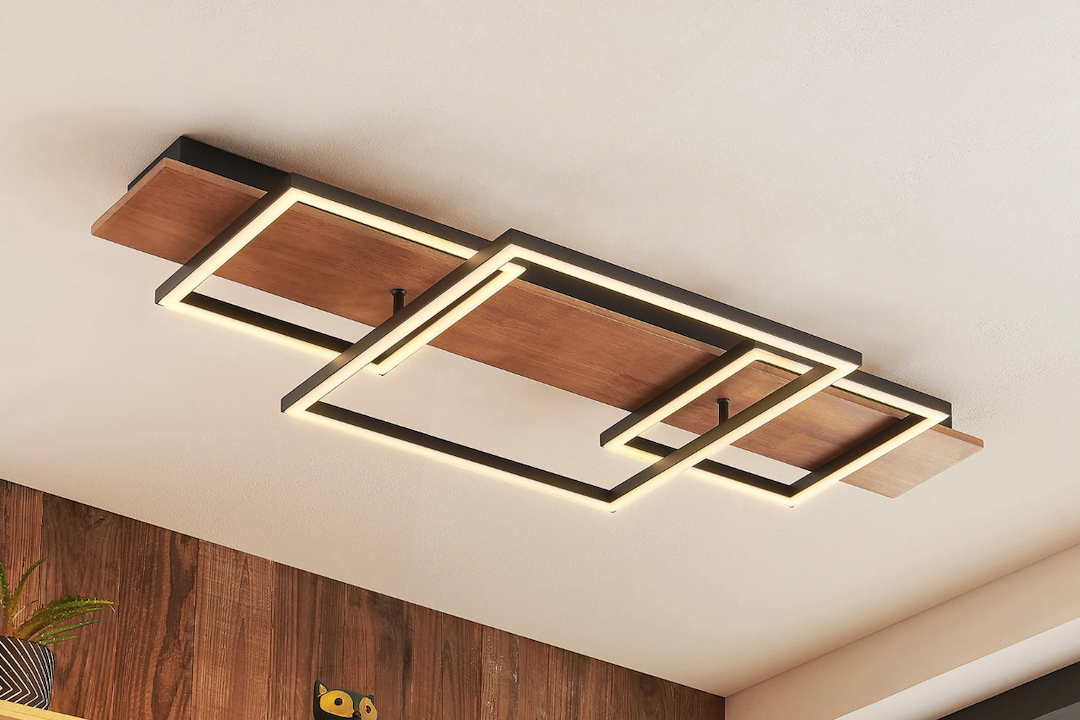
- Flat wooden panels with integrated LED: These can look like a continuation of the ceiling but emit light.
- Simple wooden rings or frames: Encasing a diffused light source, offering a clean, understated look.
Lighting Design Principles for Scandinavian Homes
Achieving the perfect look isn’t just about the fixtures; it’s about how you use light to create atmosphere and functionality. Scandinavian lighting is all about layers and warmth.
Layered Lighting Approach
Never rely on a single overhead light source. Scandinavians understand the power of light to transform a space.
Ambient Lighting
This is your general, overall illumination. It sets the base mood for the room.
- Recessed lights: As discussed, for even distribution.
- Cove lighting: For a soft, diffused glow.
- Dimmable ceiling fixtures: Allowing you to control the intensity depending on the time of day or activity.
Task Lighting
Direct, focused light where you need to perform specific activities.
- Under-cabinet lighting: In the kitchen for food prep.
- Reading lamps: Next to a sofa or armchair.
- Desk lamps: For workspaces.
- Strategically placed spotlights: Over a reading nook or a favorite corner.
Accent Lighting
Used to highlight features, create visual interest, and add depth.
- Picture lights: To illuminate artwork.
- Wall washers: To showcase a textured wall or architectural feature.
- Table lamps with interesting bases: Functioning as both light and decor.
Warm White Light (2700K – 3000K)
This is a non-negotiable for Scandinavian style. Harsh, bright white or blue-toned light (anything above 3500K) will instantly kill the cozy vibe.
Soft, Inviting Glow
Warm white light mimics the glow of traditional incandescent bulbs and candlelight. It makes a room feel welcoming, comfortable, and encourages relaxation. It also enhances the natural tones of wood, making them appear richer and more inviting.
Avoiding Harsh Shadows
Warmer light, especially when diffused, tends to create softer shadows, which contributes to a more relaxed and less stark environment. This is particularly important with wood panels, as harsh light can create unflattering strong lines.
Dimmers for Versatility
Every primary light source in a Scandinavian home should ideally be on a dimmer. This is fundamental to creating a flexible and adaptable lighting scheme.
Adapting to Time of Day and Activity
The ability to adjust light levels allows you to:
- Brighten a space for cleaning or detailed tasks.
- Soften the light for an evening meal or relaxation.
- Create atmosphere for entertaining.
- Transition from day to night seamlessly, matching the evolving needs and moods of your home.
Maintenance and Considerations
While wood panel ceilings look fantastic, there are a few practical pointers to keep in mind, especially when integrating lights.
Dusting and Cleaning
Wood ceilings, like any surface, will accumulate dust. Regular light dusting with a soft, dry cloth or a duster with an extendable handle is usually sufficient. For persistent marks, a very slightly damp cloth (wrung out thoroughly) can be used, followed immediately by a dry cloth to prevent moisture damage. Avoid harsh chemical cleaners, especially on oil or wax finishes, as they can strip the protective layer.
Moisture Control
Wood is sensitive to moisture. In areas with high humidity (like bathrooms, though wood ceilings in Nordic designs are less common there), ensure proper ventilation. Excess moisture can lead to warping, staining, or mold. If you’re considering a wood panel ceiling in a kitchen or bathroom, discuss treatment options with your supplier to ensure the wood can withstand the environment.
Fire Safety Regulations
When installing any electrical fixtures into a wood ceiling, it’s crucial to adhere to local building codes and fire safety regulations.
- Proper Casing and Wiring: Ensure all wiring is correctly insulated and housed.
- Heat Dissipation for Recessed Lights: Many recessed lights generate heat. Ensure there’s sufficient clearance around the fixture and insulation to prevent overheating, especially if insulation is packed above the ceiling. Always use IC-rated (insulation contact) fixtures if they will be in direct contact with insulation.
- Professional Installation: When in doubt, always hire a qualified electrician for electrical installations to ensure safety and compliance. It’s an investment that safeguards your home and peace of mind.
By keeping these points in mind, you can enjoy a beautiful, functional, and safe Scandinavian-inspired wood panel ceiling lighting system in your home for years to come. It’s a design choice that truly brings warmth, nature, and practical elegance to your living space.