
Cozy Bedroom Lighting: Fabric Shade Ceiling Lamp
Want to make your bedroom feel less like a place to just sleep and more like a warm, inviting sanctuary? Lighting is a huge part of that, and when we talk about cozy bedroom lighting, fabric shade ceiling lamps often come up. So, can a fabric shade ceiling lamp really make your bedroom cozy? Absolutely. It’s all about how the fabric softens the light, creating a gentle, diffused glow that feels much more inviting than harsh overhead bulbs. Think of it like wrapping your room in a soft blanket of light. This guide will walk you through why they work, what to look for, and how to make the most of them.
When we talk about cozy, we’re usually aiming for a feeling of warmth, comfort, and relaxation. Harsh, direct light Ozojo definitely doesn’t contribute to that. Fabric shades are brilliant at transforming harsh light into something much softer and more appealing.
Diffused, Not Direct: The Core Principle
The primary job of a fabric shade is to diffuse light. Instead of a beam of light shooting straight down, the fabric intercepts it, scattering it in all directions. This eliminates sharp shadows and creates a much more even, gentle illumination. It’s this diffusion that’s the key to coziness.
Material Matters: Texture and Translucency
Not all fabrics are created equal when it comes to lighting. The weave, thickness, and color of the fabric all play a role in how the light behaves.
Linen: Natural and Airy
Linen shades offer a beautiful, natural texture that adds to the cozy feel. They tend to be more translucent, allowing a good amount of light through while still softening it effectively. The slight slubs and variations in linen can add a touch of organic charm.
Cotton: Soft and Versatile
Cotton is another popular choice for its softness and versatility. Depending on the weave, cotton shades can range from quite sheer to more opaque, offering different levels of light diffusion. It’s a reliable, budget-friendly option that still delivers on coziness.
Silk: Luxurious Drape
Silk shades, while often more of an investment, bring a touch of luxury and elegance. Silk has a natural sheen and a wonderful drape that can contribute to a sophisticated cozy feel. It diffuses light beautifully, creating a soft, inviting glow.
Blends and Other Materials
You’ll also find shades made from blends of natural fibers or even synthetic materials designed to mimic natural textures. The important thing is that they allow light to pass through gently without being completely see-through.
Color of the Cloth: Warm Tones Reign Supreme
The color of the fabric shade is more impactful than you might think. While white shades are common, warmer tones can amplify the cozy factor significantly.
Off-Whites and Creams: Subtle Warmth
These shades offer a softer alternative to stark white. They reflect light with a warmer cast, instantly making the room feel more inviting and less sterile.
Beige and Tan: Earthy Comfort
Shades in earthy tones like beige and tan create a grounded, comforting atmosphere. They absorb and reflect light in a way that feels very natural and soothing, perfect for winding down.
Muted Pastels: Gentle Hues
If you like a hint of color, opt for muted pastels. Think soft blush pink, pale sage green, or dusty blue. These colors, when diffused through fabric, add a gentle pop of personality without being overpowering.
Avoid: Bright Whites and Bold Colors
While bright white can be clean and modern, it often lacks the warmth needed for true coziness. Similarly, strong, saturated colors in a fabric shade can cast an unnatural hue on your room.
Beyond the Shade: The Light Source Within
The fabric shade is only half the story. The type of light bulb you use inside it is equally crucial for achieving that perfect cozy ambiance.
The Lumens and Kelvin Dance: Finding the Balance
This is where the technicalities meet comfort. Lumens measure brightness, and Kelvin measures color temperature. For coziness, you want to get these right.
Lumens: Less is More
For a bedroom ceiling lamp, you generally don’t want it to be the brightest source of light. Aim for a lumen output that provides ambient illumination, not task lighting for surgical precision. Think around 800-1500 lumens for a medium-sized bedroom, depending on your personal preference and the fixture’s coverage.
Kelvin: The Golden Ticket to Warmth
Kelvin is the most important factor for cozy lighting. You want a warm color temperature.
Soft White (2700K – 3000K): The Sweet Spot
This is the universally recommended range for creating a cozy and inviting atmosphere. It mimics the warm glow of incandescent bulbs from days past, making everything look more inviting.
Warm White (3000K – 3500K): Slightly Brighter, Still Cozy
If you prefer a touch more brightness but still want that warm feel, this range can work. It offers a bit more clarity than soft white but still avoids being stark.
Avoid: Cool White and Daylight (4000K+)
Anything above 3500K starts to feel progressively cooler and can make a room feel more clinical or office-like, which is the opposite of cozy.
Bulb Type Matters: LEDs Lead the Way
While incandescent bulbs are indeed warm, they are energy-inefficient and generate a lot of heat. Modern LED bulbs are the way to go for both energy savings and a wide range of color temperature options.
Dimmable LEDs: The Ultimate Control
The absolute best bulbs for cozy lighting are dimmable LEDs. This allows you to adjust the brightness precisely to your mood and the time of day. You can go from a functional but still soft glow for getting dressed to a very low, intimate light for relaxing.
Frosted Bulbs: Extra Diffusion
If your fabric shade is slightly sheer, consider using frosted LED bulbs. This adds another layer of diffusion, further softening the light and preventing any hot spots from showing through the fabric.
Placement and Impact: Where and How It Shines
A fabric shade ceiling lamp isn’t just about the lamp itself; its placement significantly impacts the overall feel of your bedroom.
The Central Hub: Balancing Illumination
Often, a ceiling lamp is placed centrally. This is a practical choice for general room illumination. When it’s a fabric shade, it spreads that light evenly around the room, avoiding harsh shadows that can make a space feel smaller or more unsettled.
Zone Lighting: Creating Intimate Areas
While a central ceiling lamp provides ambient light, you can also think about how it works with other lighting sources. For example, if you have bedside lamps with their own fabric shades, the ceiling lamp can act as a softer, overarching light that ties the room together.
Avoiding Glare: The Silhouette Advantage
The beauty of a fabric shade is that it directly addresses the issue of glare. You don’t have to worry about looking directly up at a bright bulb. The diffused light is much gentler on the eyes, which is crucial in a space meant for relaxation.
Impact on Room Size and Feel
A well-chosen fabric shade ceiling lamp can actually make a room feel more spacious and less cluttered. By providing even, diffused light, it can make darker corners less prominent, giving the illusion of a more expansive area.
Choosing Your Perfect Fabric Shade Ceiling Lamp
With so many options out there, picking the right one can feel a little overwhelming. Here’s a practical breakdown to help you narrow it down.
Size and Scale: Don’t Overwhelm
The size of the lamp should be proportionate to your bedroom. A massive lamp in a small room will feel overbearing, while a tiny one in a large room will get lost.
For Smaller Rooms: Compact and Subtle
Look for flush-mount or semi-flush mount fixtures that are on the smaller side. They provide light without taking up too much visual space.
For Larger Rooms: Statement Pieces
In larger bedrooms, you might consider a slightly larger drum shade or even a pendant with a fabric shade that hangs a bit lower, provided your ceiling height allows.
Style Harmony: Matching Your Decor
The style of the lamp should complement your existing bedroom decor.
Modern Minimalism: Clean Lines
Opt for simple, geometric shapes like drum shades in neutral colors.
Boho Chic: Natural Textures
Embrace linen or textured cotton shades with a slightly more organic feel.
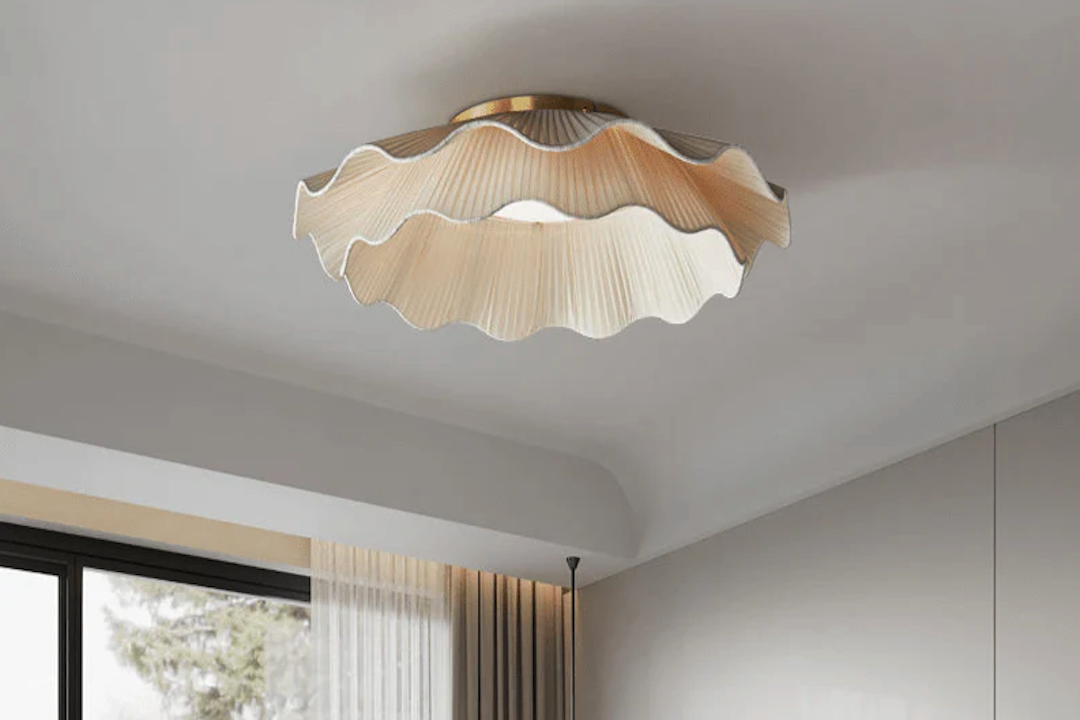
Traditional Elegance: Ruffled or Shaped Shades
Consider more classic shapes or subtle embellishments if your decor leans traditional.
Installation Considerations: DIY vs. Professional
Most ceiling lamps are designed for standard ceiling installations.
DIY Friendly: Simple Fixtures
Many flush and semi-flush mount fabric shades are relatively easy to install if you’re comfortable with basic electrical work.
Professional Help: For Complex Setups
If you’re unsure or dealing with an older wiring system, it’s always best to call in an electrician.
Maximizing Coziness: Beyond the Lamp
While your fabric shade ceiling lamp is a star player, there are other lighting elements you can use to amplify that cozy feeling.
Layering Light: The Key to Depth
Cozy lighting isn’t usually about a single light source. It’s about layering different types of light to create depth and warmth.
Bedside Lamps: Task and Ambiance
Dimmable bedside lamps with their own fabric shades are fantastic for reading or creating intimate pockets of light.
Floor Lamps: Accent and Fill
A floor lamp, perhaps with an adjustable arm, can provide targeted light for a reading nook or add a gentle glow to a darker corner of the room.
Accent Lighting: Highlighting Art or Plants
Small, subtle accent lights can draw attention to decorative elements, adding another layer of visual interest and coziness.
Smart Technology: Convenience and Control
Modern lighting technology can make mastering your cozy ambiance even easier.
Smart Bulbs: Color and Dimming
Smart LED bulbs allow you to change the color temperature, brightness, and even set schedules via your smartphone or voice assistant. This means you can wake up to a gentle, warm light or have the lights dim automatically as bedtime approaches.
Dimmers: The Essential Upgrade
If you can’t use smart bulbs, installing a dimmer switch for your ceiling lamp is one of the most effective ways to control the mood. You can go from bright and functional to a soft, romantic glow with the flick of a switch.
Natural Light Integration: Daytime Coziness
Even during the day, lighting plays a role. Consider how your fabric shade ceiling lamp interacts with natural light.
Sheer Curtains: Filtering Sunlight
Pairing your lighting with sheer curtains allows soft, diffused daylight to enter, complementing the gentle illumination of your fabric shade.
Avoiding Glare from Windows
Positioning your bed and other furniture so you’re not directly facing bright windows can enhance the overall sense of calm and coziness, with your ceiling lamp providing a gentle backdrop.
The Power of Dimness: Winding Down
The most crucial aspect of cozy lighting is its ability to be dimmed significantly. Your fabric shade ceiling lamp, when paired with dimmable bulbs and a dimmer switch, becomes your best friend for unwinding. Lowering the light levels tells your brain it’s time to relax, making it easier to transition from a busy day to a restful night. This isn’t just about making the room look nice; it’s about supporting your natural sleep-wake cycle.
Conclusion: Embracing the Fabric Glow
So, yes, a fabric shade ceiling lamp absolutely can make your bedroom cozy. By understanding how light interacts with fabric, choosing the right bulb, and considering placement, you can transform your bedroom into the warm, inviting retreat you’ve been dreaming of. It’s about creating an atmosphere that soothes, comforts, and encourages rest, all through the gentle art of diffused light. Don’t underestimate the power of a well-chosen shade to change the entire mood of your personal sanctuary.