

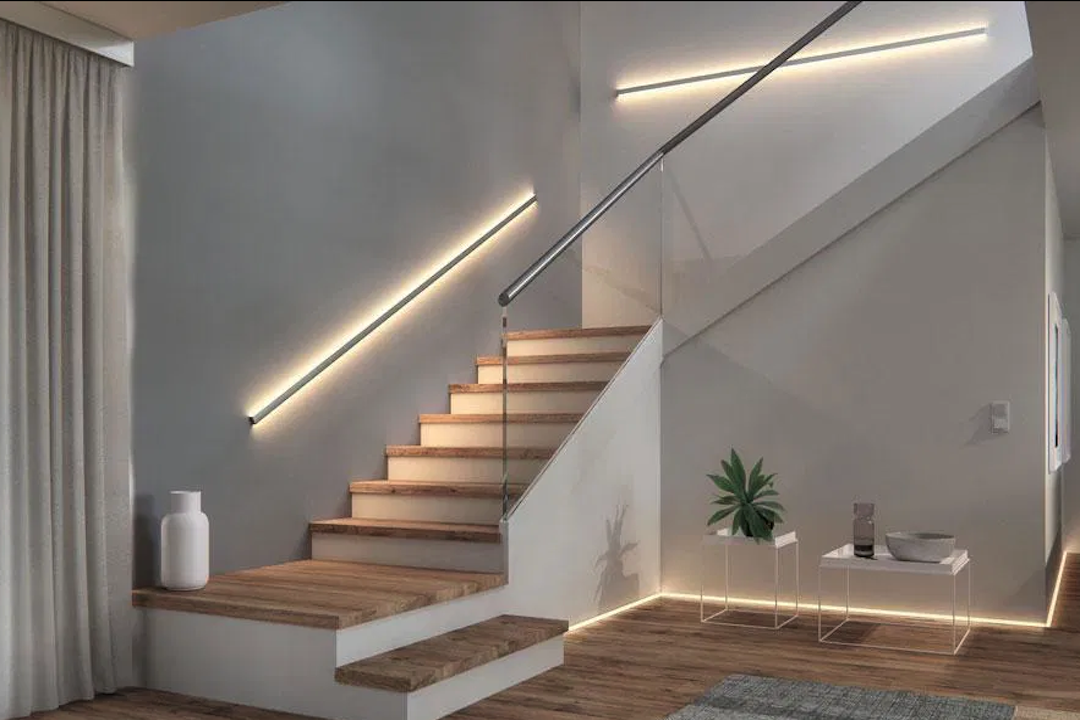
Enhance Hallways with Modern LED Ceiling Lights
Modern LED ceiling lights can significantly enhance your hallways by offering better illumination, energy efficiency, and a sleeker aesthetic. They’re a practical upgrade that makes a noticeable difference in often-overlooked spaces.
Why Hallways Need Attention
Hallways are more than just transit routes; they’re the connectors of your home. Poor lighting can make them feel cramped, dark, or simply unwelcoming. Upgrading your ceiling lights Lamolighting here isn’t just about aesthetics; it’s about functionality and creating a truly cohesive living space. LEDs, in particular, offer a distinct advantage over older lighting types due to their specific characteristics.
Modern LED ceiling lights are a far cry from the utilitarian fluorescent tubes or incandescent bulbs of the past. They come in a vast array of designs, offering targeted illumination and significant energy savings.
What Makes Them “Modern”?
The “modern” aspect isn’t just about the look; it’s about the technology. These lights incorporate advanced LED chips, often with sophisticated drivers and dimming capabilities. Many integrate smart home features, allowing for app control, scheduling, and even color temperature adjustments.
Key Benefits of LEDs for Hallways
- Energy Efficiency: This is perhaps the most significant benefit. LEDs consume significantly less power than traditional bulbs, leading to lower electricity bills over time. For a hallway where lights might be on for extended periods, this really adds up.
- Longevity: LEDs have a much longer lifespan, often tens of thousands of hours. This means fewer bulb changes, which is especially convenient in hard-to-reach ceiling fixtures.
- Instant On: Unlike some older lighting types, LEDs illuminate instantly at full brightness without any warm-up period.
- Directional Lighting: LEDs emit light in a specific direction, which can be useful for focused illumination or preventing light spill into adjacent rooms.
- Cooler Operation: LEDs generate very little heat compared to incandescent bulbs, which can be a safety advantage and prevents them from contributing to the overall heat in your home.
- Design Versatility: The small size of LED chips allows for incredibly thin, sleek, and innovative fixture designs that would be impossible with larger, hotter conventional bulbs.
Choosing the Right Style and Design
When selecting LED ceiling lights for your hallway, consider both the existing decor and the specific needs of the space. The design should complement your home, not clash with it.
Flush Mounts and Semi-Flush Mounts
These are popular choices due to their low profile, making them suitable for hallways with standard or lower ceilings.
- Flush Mounts: These fixtures sit directly against the ceiling. They’re excellent for providing ambient light without drawing too much attention. Many modern flush mounts feature clean lines and minimalist designs, often with integrated LED panels rather than exposed bulbs. This look feels very contemporary.
- Semi-Flush Mounts: These hang a few inches below the ceiling, offering a bit more decorative appeal than flush mounts. They can create interesting patterns on the ceiling and walls, adding a soft, diffused light effect. They work well in hallways with slightly higher ceilings that can accommodate the subtle drop.
Recessed Lighting (Pot Lights)
For a truly seamless and understated look, recessed lighting is an excellent option.
- Subtle Illumination: These lights sit within the ceiling, providing a clean, architectural look. They direct light downwards, which can be effective for highlighting artwork or creating a pathway effect.
- Spacing Considerations: Proper spacing is crucial to avoid dark spots or an overly spotty look. A common rule of thumb is to space them approximately 4-6 feet apart, depending on the ceiling height and desired light level.
- Adjustable Gimbals: Some recessed fixtures offer adjustable gimbals, allowing you to tilt the light beam. This is useful for precise illumination of specific areas or features within the hallway.
Linear LED Fixtures
These fixtures offer a modern, architectural statement, particularly in longer hallways.
- Sleek and Minimalist: Linear lights typically come as long, thin bars or strips, often made of metal or acrylic. They can be surface-mounted, suspended, or recessed into the ceiling.
- Uniform Light Distribution: They can provide a very even wash of light along the length of the hallway, eliminating shadows and creating a sense of openness. This is especially beneficial in very long or narrow hallways.
- Statement Pieces: Some linear fixtures are designed to be quite prominent, serving as a focal point rather than just a light source.
LED Panel Lights
These are increasingly popular for their very flat profile and wide light distribution.
- Ultra-Thin Design: LED panels are often just an inch or two thick, making them incredibly discreet when surface-mounted. They can also be recessed into grid ceilings.
- Even Light Spread: They offer a uniformly diffused light, reducing glare and harsh shadows. This creates a very comfortable and well-lit environment.
- Modern Aesthetic: Their clean, unadorned appearance fits perfectly with contemporary and minimalist interior designs.
Important Lighting Characteristics to Consider
Beyond the physical style of the fixture, understanding the technical aspects of LED lighting is crucial for effective hallway illumination.
Brightness (Lumens)
Forget wattage; lumens are the true measure of a light’s brightness for LEDs.
- Hallway Requirements: Hallways generally don’t need extremely bright light, but they shouldn’t be dim either. Aim for a comfortable level that ensures safety and visibility. For a typical hallway, anywhere from 100-200 lumens per linear foot might be a good starting point, but this can vary greatly based on ceiling height, wall colors, and personal preference.
- Experimentation: If possible, try to test out different lumen outputs in a similar space or review specifications carefully. It’s often better to have slightly more lumens and use a dimmer than to have too little.
Color Temperature (Kelvin)
This refers to the “warmth” or “coolness” of the light, measured in Kelvin (K).
- Warm White (2700K-3000K): This mimics the soft glow of incandescent bulbs, creating a cozy and inviting atmosphere. It’s a popular choice for residential hallways, especially if you want continuity with living areas.
- Neutral White (3500K-4000K): This provides a more balanced light, appearing neither too yellow nor too blue. It’s a good compromise for those who want a clearer, more energetic feel without being stark. Some prefer this for more task-oriented hallways or those leading to modern workspaces.
- Cool White/Daylight (5000K+): This light has a bluer, more crisp appearance, similar to natural daylight or commercial lighting. While some prefer it for its clarity, it can feel too harsh or clinical in a residential hallway.
Color Rendering Index (CRI)
CRI measures how accurately a light source renders colors compared to natural daylight.
- Importance of High CRI: For hallways, especially if you have artwork or colored wall treatments, a high CRI (90+) is beneficial. It ensures that colors appear vibrant and true to life, rather than muted or distorted. Lower CRI lights can make colors look dull.
- Avoiding Distortions: While not as critical as in a kitchen or artist’s studio, a good CRI in a hallway still contributes to a pleasant visual experience and prevents things from looking “off.”
Dimming Capabilities
The ability to dim your hallway lights offers significant flexibility.
- Atmosphere Control: Dimming allows you to adjust the light level for different times of day or occasions. A brighter setting for cleaning, a softer glow for evening ambiance.
- Energy Savings: Even with efficient LEDs, dimming further reduces power consumption.
- Compatibility: Ensure your chosen LED fixtures are “dimmable” and that you use an LED-compatible dimmer switch. Standard dimmer switches designed for incandescent bulbs can cause flickering or damage to LED drivers.
Smart Features and Automation
Leveraging smart technology can take your hallway lighting from functional to truly convenient and efficient.
Motion Sensors
Integrating motion sensors is a highly practical solution for hallways.
- Automatic Illumination: Lights turn on automatically when someone enters the hallway and off after a set period of inactivity. This is excellent for energy savings and convenience, especially when carrying groceries or coming home in the dark.
- Safety and Security: It provides immediate light, reducing the risk of trips and falls. It can also act as a deterrent for potential intruders, making it appear someone is home.
- Adjustable Settings: Many motion sensors allow you to adjust sensitivity, the duration the light stays on, and even ambient light levels (so they don’t trigger during daylight hours).
Smart Home Integration
Many modern LED ceiling lights can connect to your existing smart home ecosystem.
- Voice Control: Control your hallway lights using voice commands through smart assistants like Alexa, Google Assistant, or Apple HomeKit.
- App Control: Manage lights from your smartphone or tablet, even when you’re not home. This allows for scheduling, brightness adjustments, and color temperature changes (if applicable).
- Scheduling and Scenes: Set schedules for when lights turn on and off, or create “scenes” where hallway lights dim and others activate for specific activities like “movie night” or “away mode.”
Tunable White and RGB Options
For added versatility, consider LEDs that offer adjustable color temperatures or full-spectrum color.
- Tunable White: These lights allow you to shift the color temperature from warm white to cool white. You might prefer a warmer light in the evenings for a relaxing feeling and a cooler, more invigorating light in the mornings.
- RGB (Red, Green, Blue): While perhaps less common for practical hallway lighting, RGB LEDs allow you to choose almost any color. This can be fun for accent lighting, holidays, or creating a unique mood, though it’s typically more decorative than functional in a hallway.
Installation and Maintenance
While installing LED ceiling lights can be a DIY project for some, professional installation is always an option. Maintenance, on the other hand, is generally minimal.
DIY vs. Professional Installation
Considering your comfort level with electrical work is key.
- Safety First: Always turn off power at the circuit breaker before attempting any electrical work. If you’re unsure, or dealing with complex wiring, hiring a qualified electrician is recommended.
- Basic Replacements: Replacing a standard flush mount with another, similar fixture is often straightforward for those with basic electrical knowledge. The wiring connections (live, neutral, ground) are usually consistent.
- New Installations/Recessed Lighting: Installing completely new fixtures, especially recessed lighting which requires cutting holes in the ceiling and potentially running new wiring, is best left to professionals. They’ll ensure proper spacing, wiring, and adherence to local electrical codes.
Long-Term Maintenance
One of the great advantages of LEDs is their low maintenance.
- Infrequent Replacement: The long lifespan means you won’t be changing bulbs frequently, if at all, especially with integrated LED fixtures where the entire unit is replaced when it reaches end-of-life.
- Cleaning: Occasional dusting or wiping the fixture with a damp cloth is usually all that’s needed to maintain its appearance and light output. Avoid harsh chemicals that could damage finishes.
- Troubleshooting: If an LED light fails prematurely, it’s often an issue with the driver (the component that regulates power to the LEDs) rather than the LED chip itself. For integrated fixtures, replacement is generally the only option. For fixtures with replaceable LED bulbs, simply swap the bulb.
By carefully considering these factors, you can select and implement modern LED ceiling lights that transform your hallway from a mere passageway into a well-lit, inviting, and energy-efficient part of your home.